
P3 Professional Pilot Program National Career Training
Become a Commercial Pilot

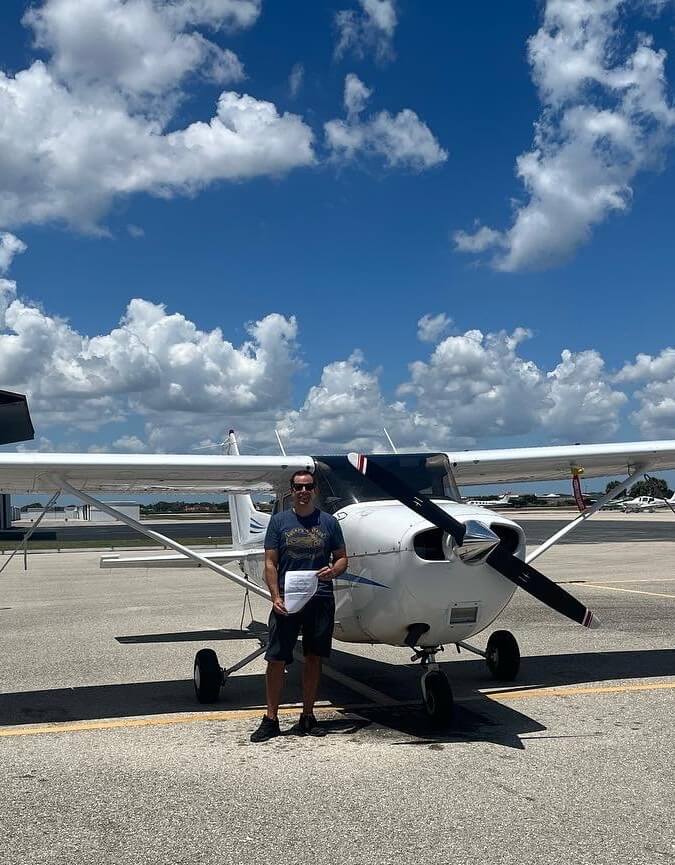


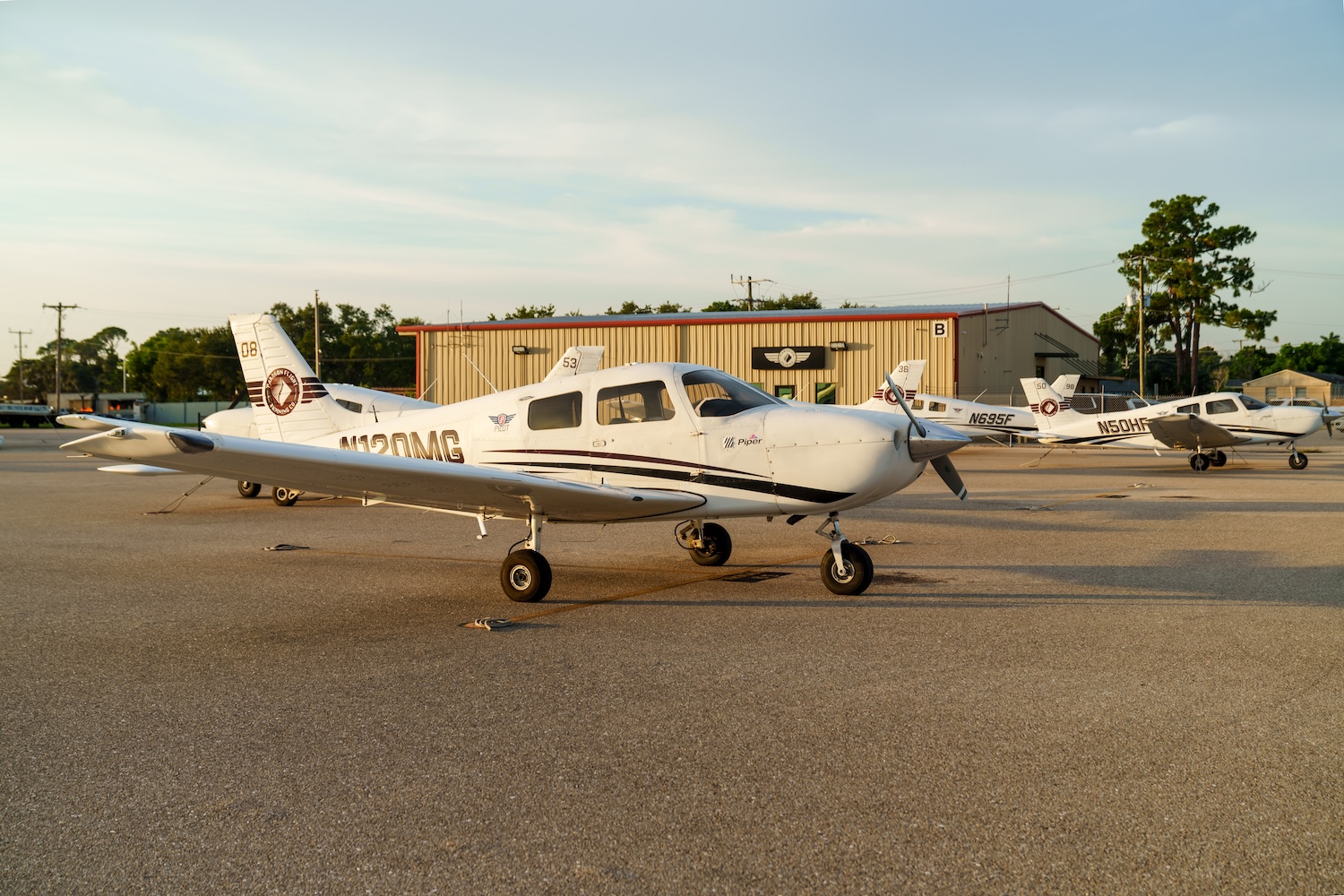
A Big Goal needs a Clear Financial Plan
Becoming a commercial pilot is a serious investment. We don't hide the cost – we help you plan it, with guidance on the options serious students use to fund their training.
Estimated All-in
$94,500
Zero Experience to Commercial Multi-Engine – Estimated Program Cost
Estimated Program Length
10-14 months
Accelerated track, 5+ lessons per week
Funding Paths we Help Student Explore
-
Aviation-Specific Student Loans

Sallie Mae and other partners that understand career-pilot training.
-
Scholarships and Grants
Industry, regional, and Paragon-supported scholarships for qualified students.
-
529 Educational Plans
Eligible for FAA Part 141 training under recent updates – your advisor can confirm.
-
VA Benefits
VA benefits may apply for eligible programs and locations.
-
Self-Funded Plans
Pay-as-you-go option, funding your training as you progress without large upfront deposits or prepaying large portions of the program.

Your Flight Training Questions, Answered
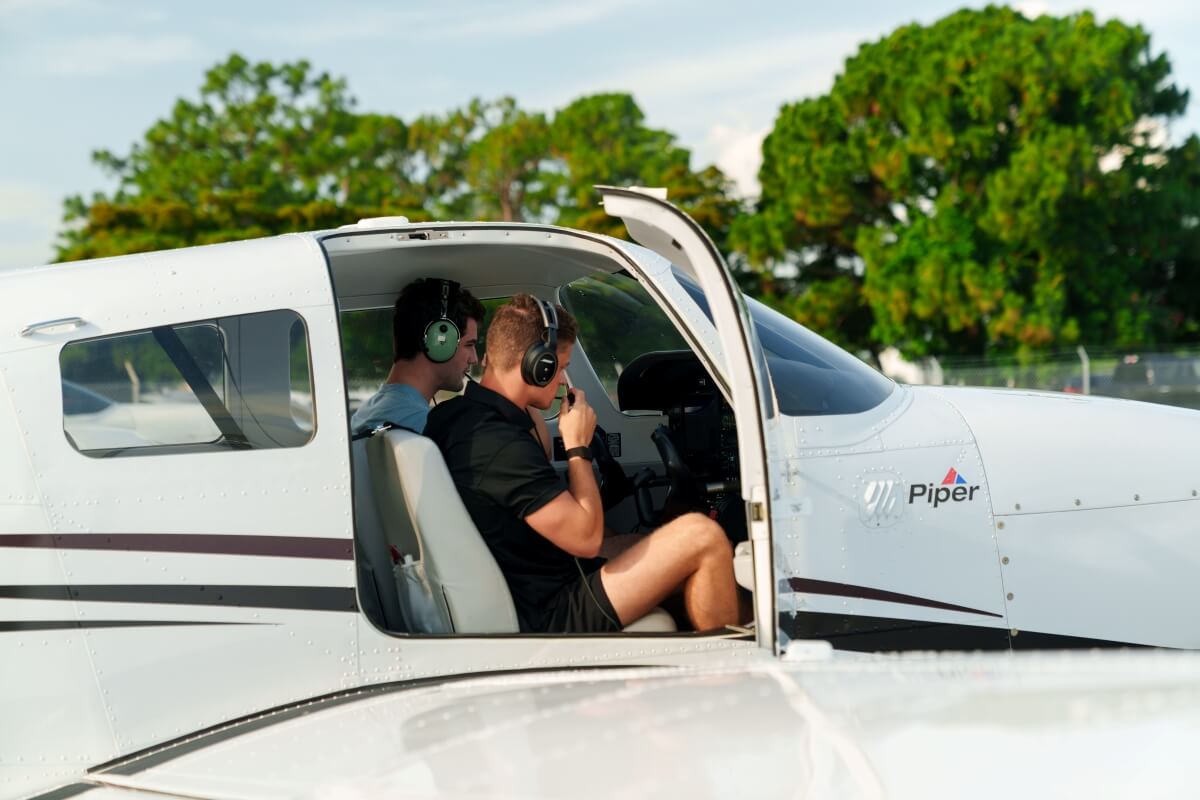
Paragon’s teaching method is a cycle of introduction, reinforcement, proficiency-building, practical application, and review. Students first learn concepts on the ground and then apply them in the aircraft. This process begins with computer-based training, continues with manuals and one-on-one instruction, and then moves into classroom, simulator, and in-aircraft practice before a final review to close any learning gaps.
Most first lessons include a pre-flight briefing, a walkaround of the aircraft, and time in the cockpit learning key controls and safety procedures. Students can expect a calm introduction to the training environment, clear coaching from their instructor, and time to ask questions before and after the flight.
A typical training day blends ground study, planning, and flight time. Students review lessons, prepare for upcoming maneuvers, meet with instructors, and then apply what they have learned in the aircraft or simulator. The pace depends on the program path and each student’s schedule, goals, and availability.
Pilot earnings vary based on experience, airline, route type, and position. Airline pilot pay can start at $90,000+, with median earnings exceeding $226,000 and senior captains at major airlines earning $350,000–$450,000+ annually. Compensation can grow significantly as pilots gain experience, move into larger aircraft, and advance into captain roles.
Training timelines depend on a student’s starting point, lesson frequency, weather, and the specific ratings they plan to complete. Consistent scheduling and strong preparation usually lead to faster progress, while a more flexible pace may better suit students balancing work, school, or family commitments.
Discovering that aviation may not be the right long-term path is still valuable insight. Paragon’s leadership and management team works directly with students to understand where they are, what they’ve accomplished, and what options make the most sense moving forward. The goal is to provide experienced guidance and honest answers so every student can make an informed decision about what comes next.
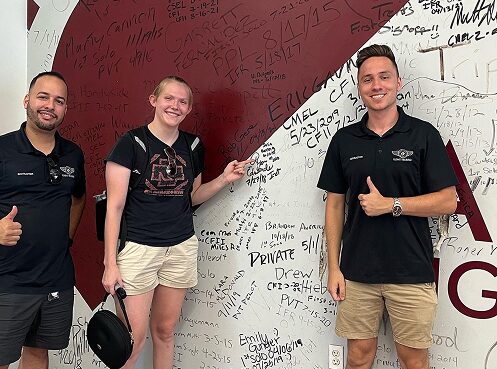










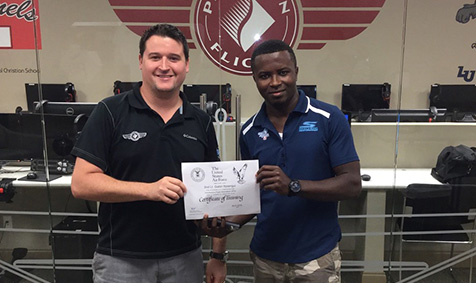
90% First-Time Pass Rate
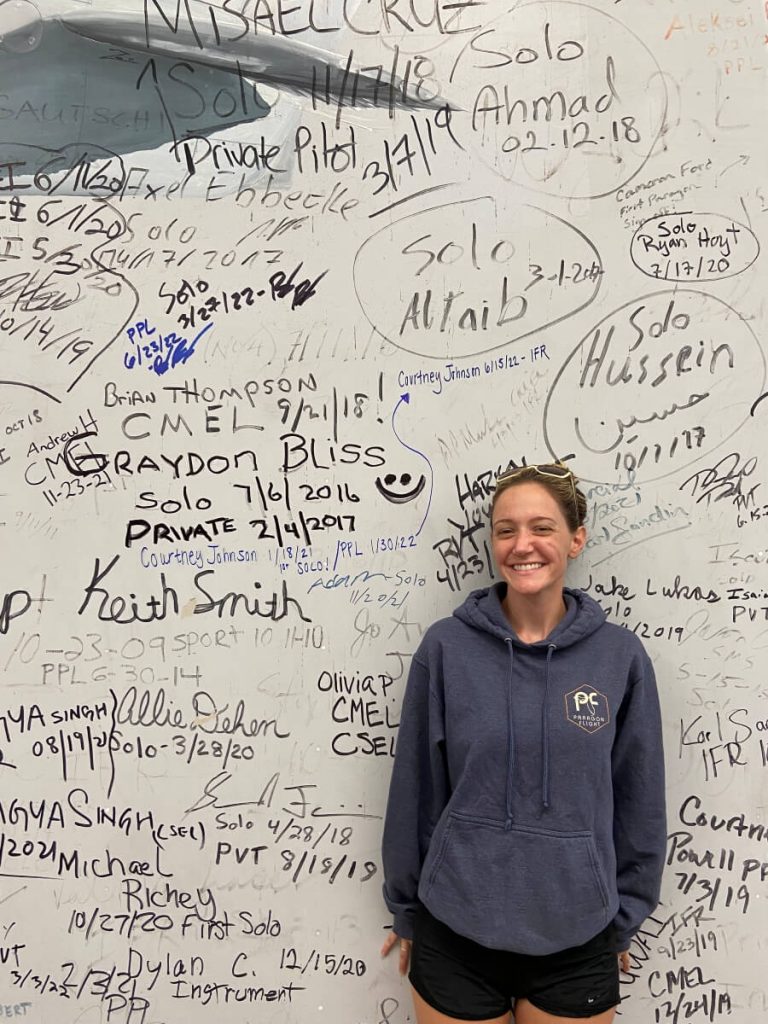
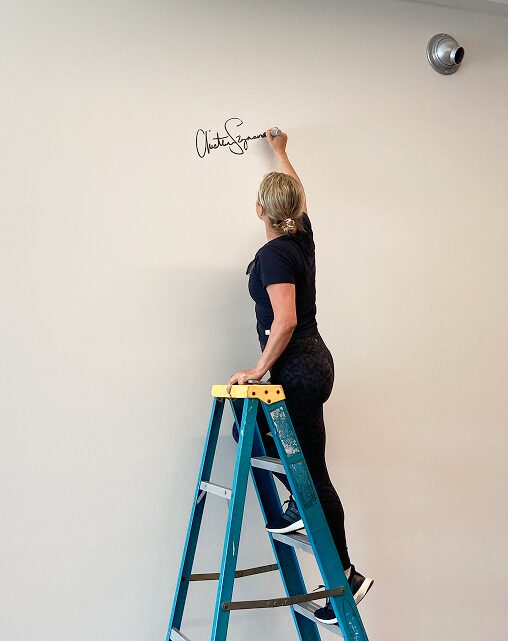
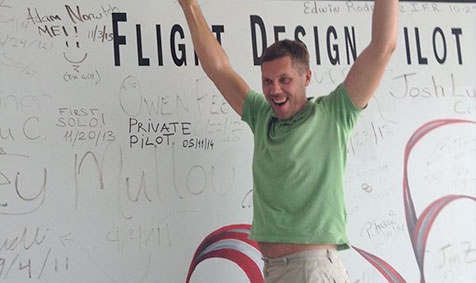
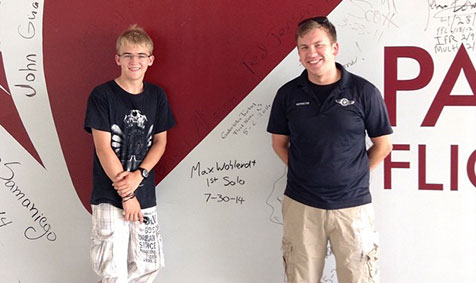
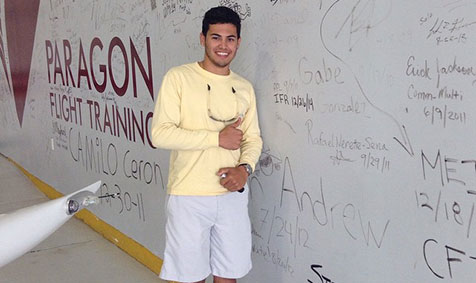
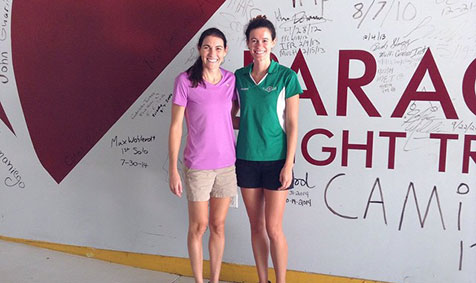
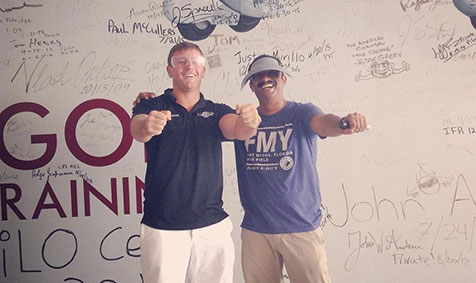
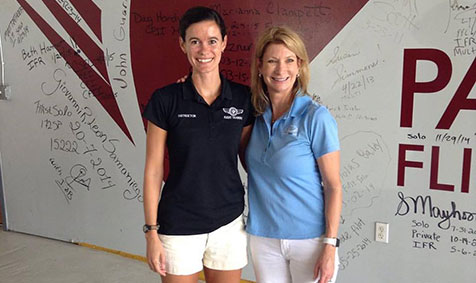
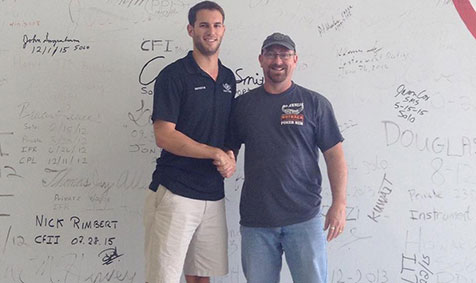
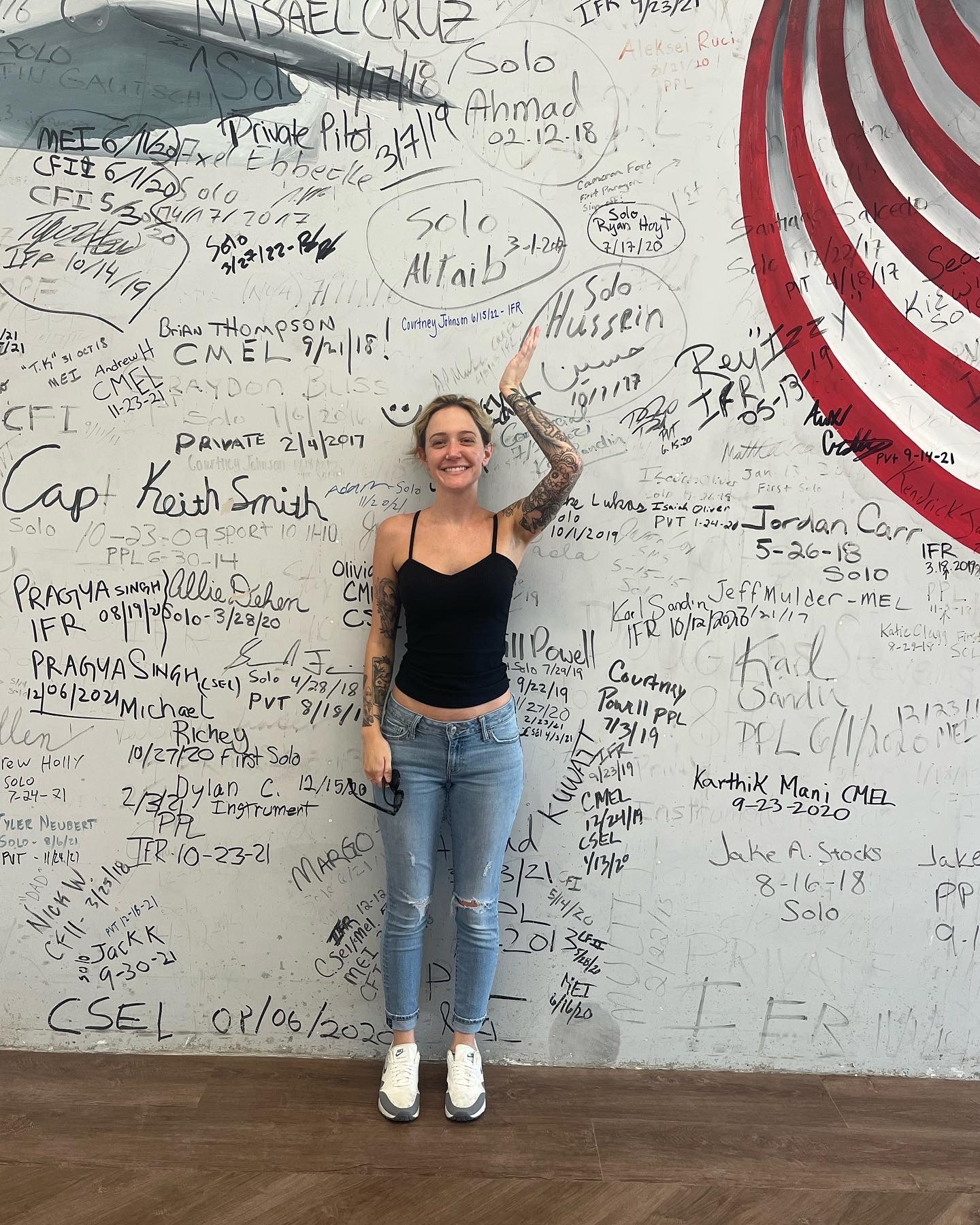
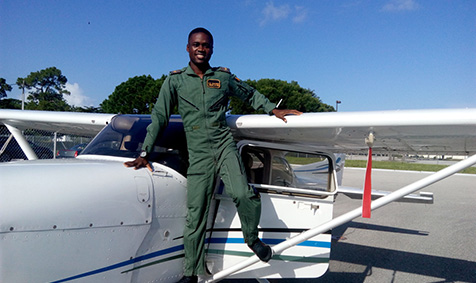
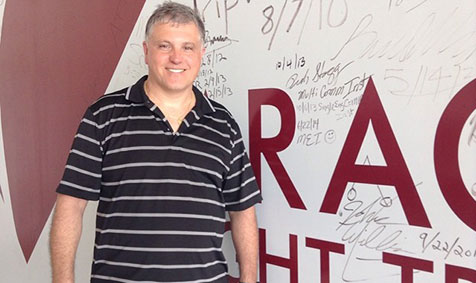
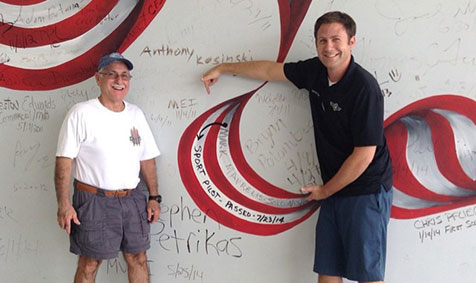
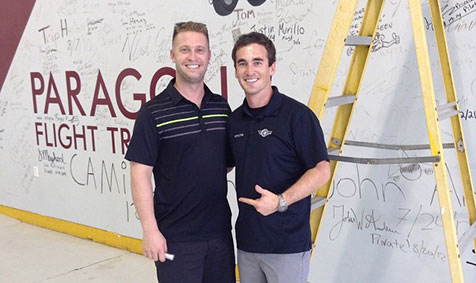
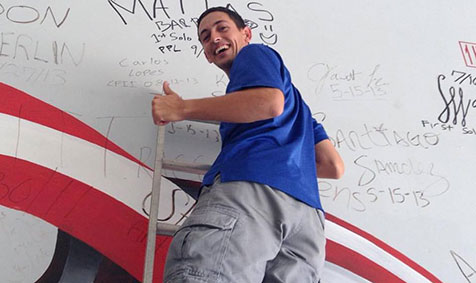
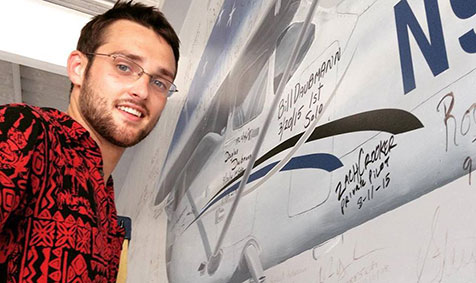
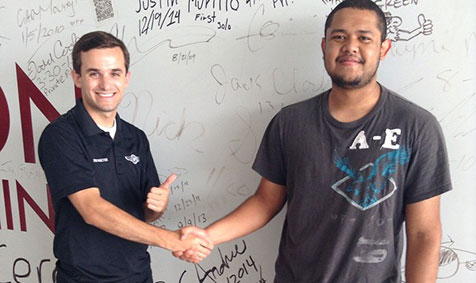
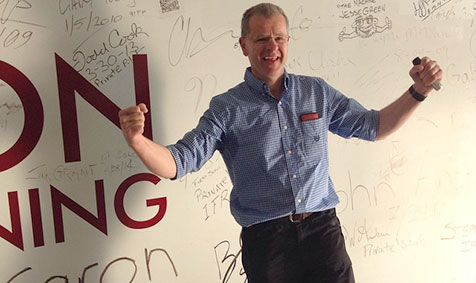
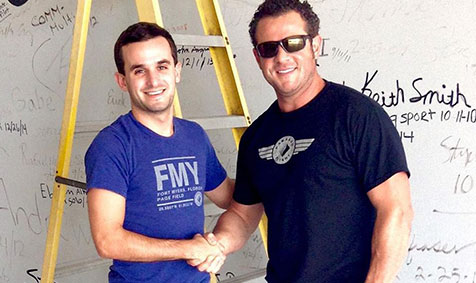
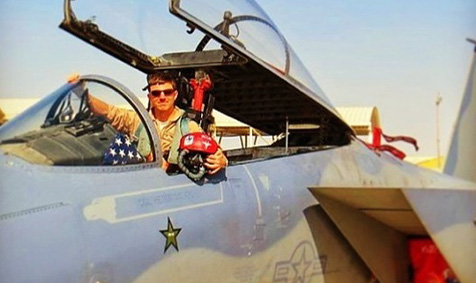
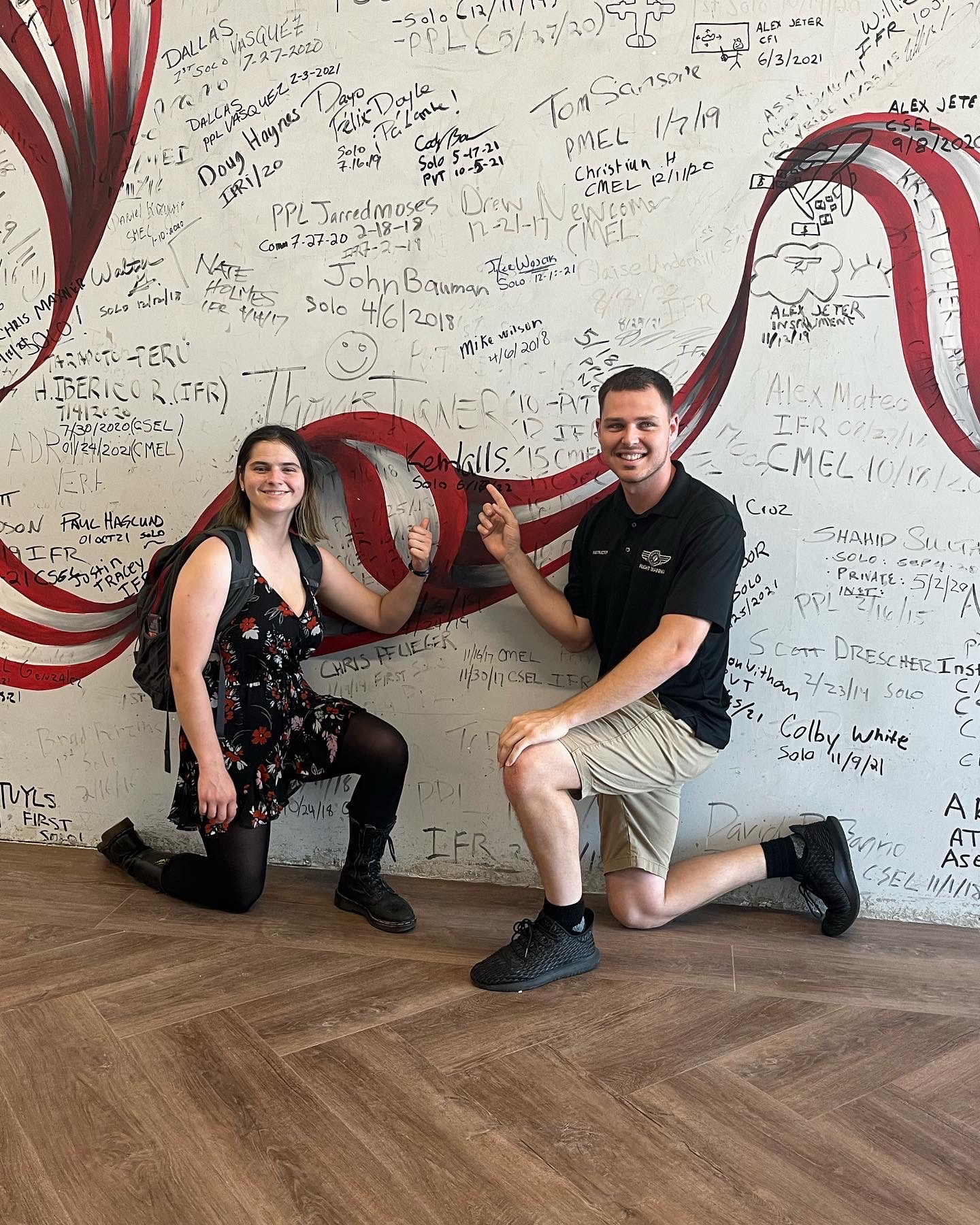
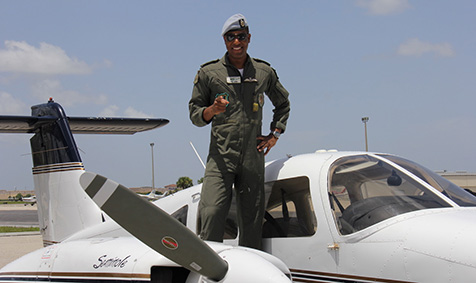
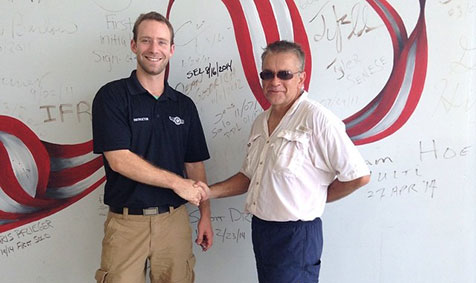
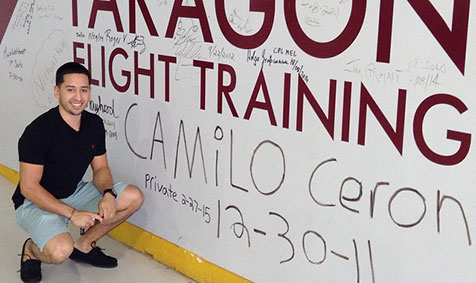
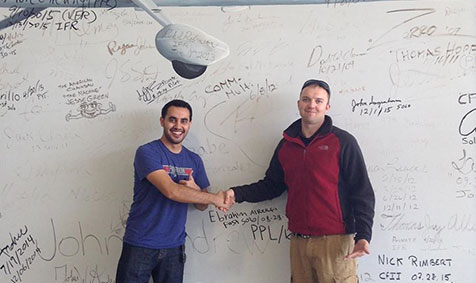
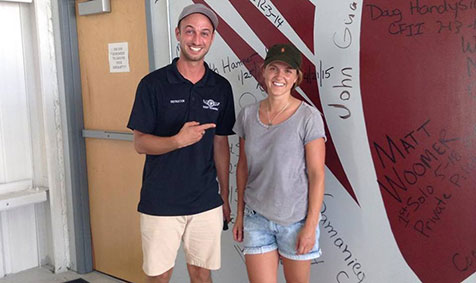
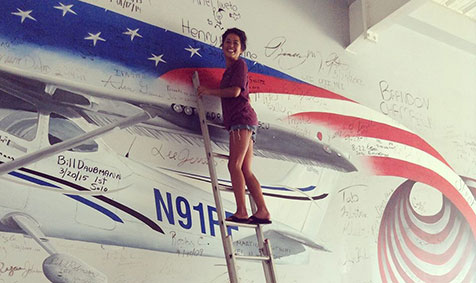
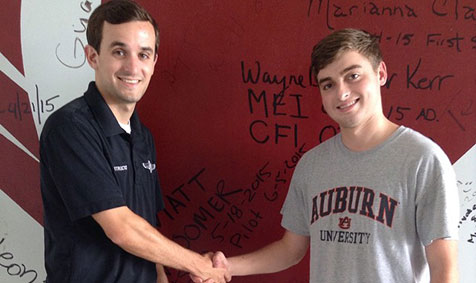
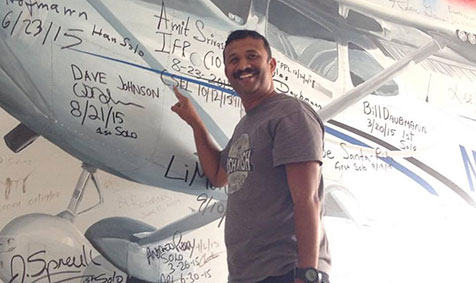
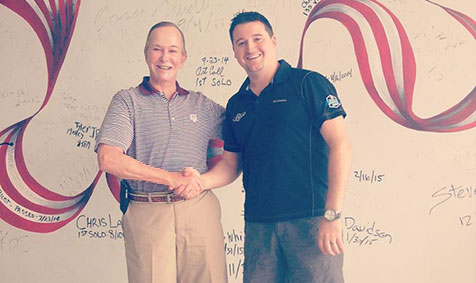
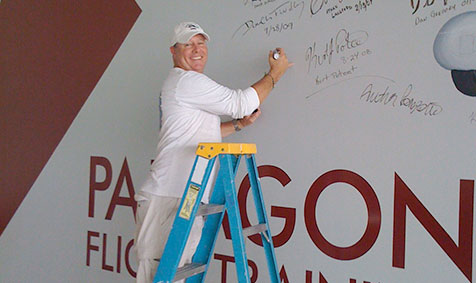
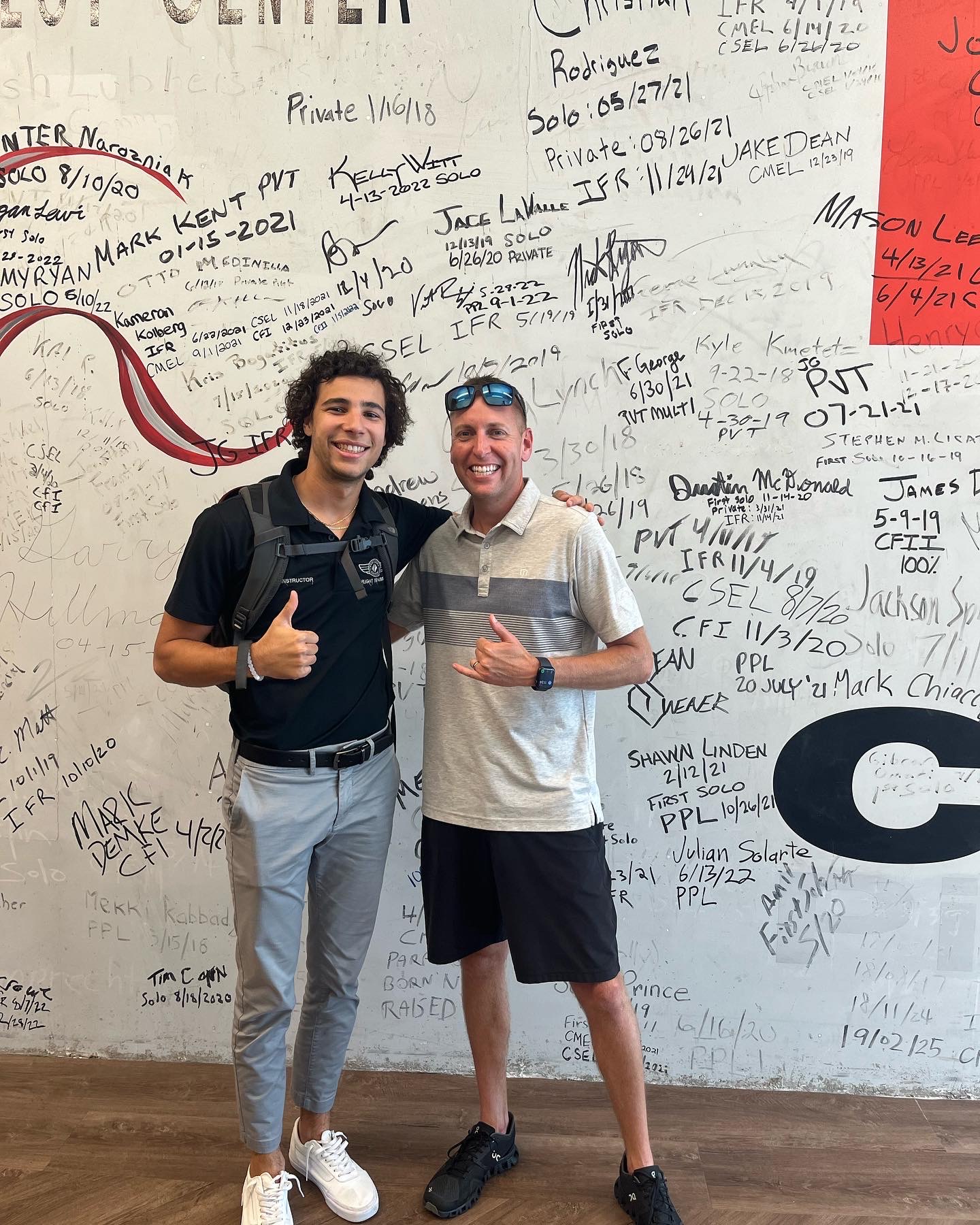
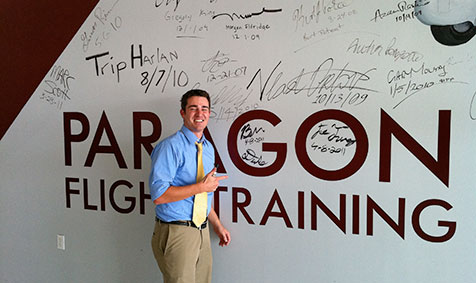
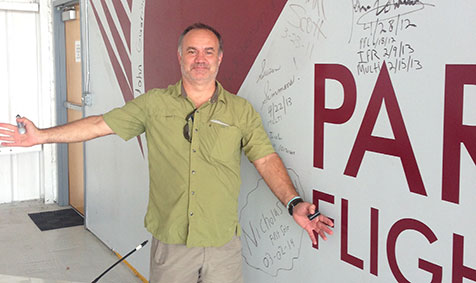
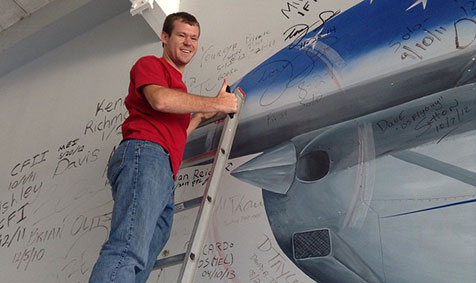
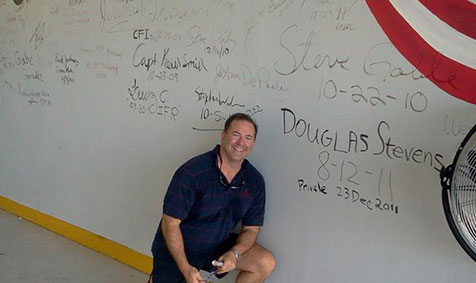
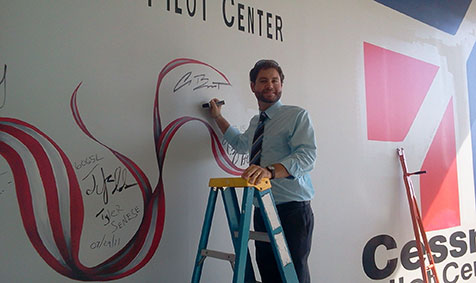
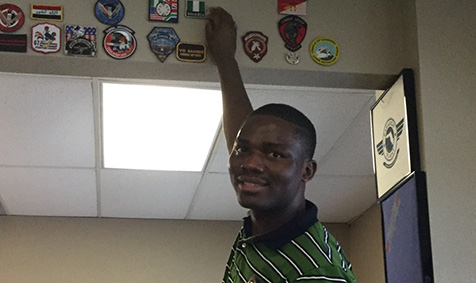
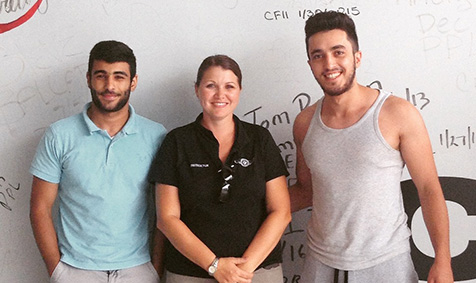
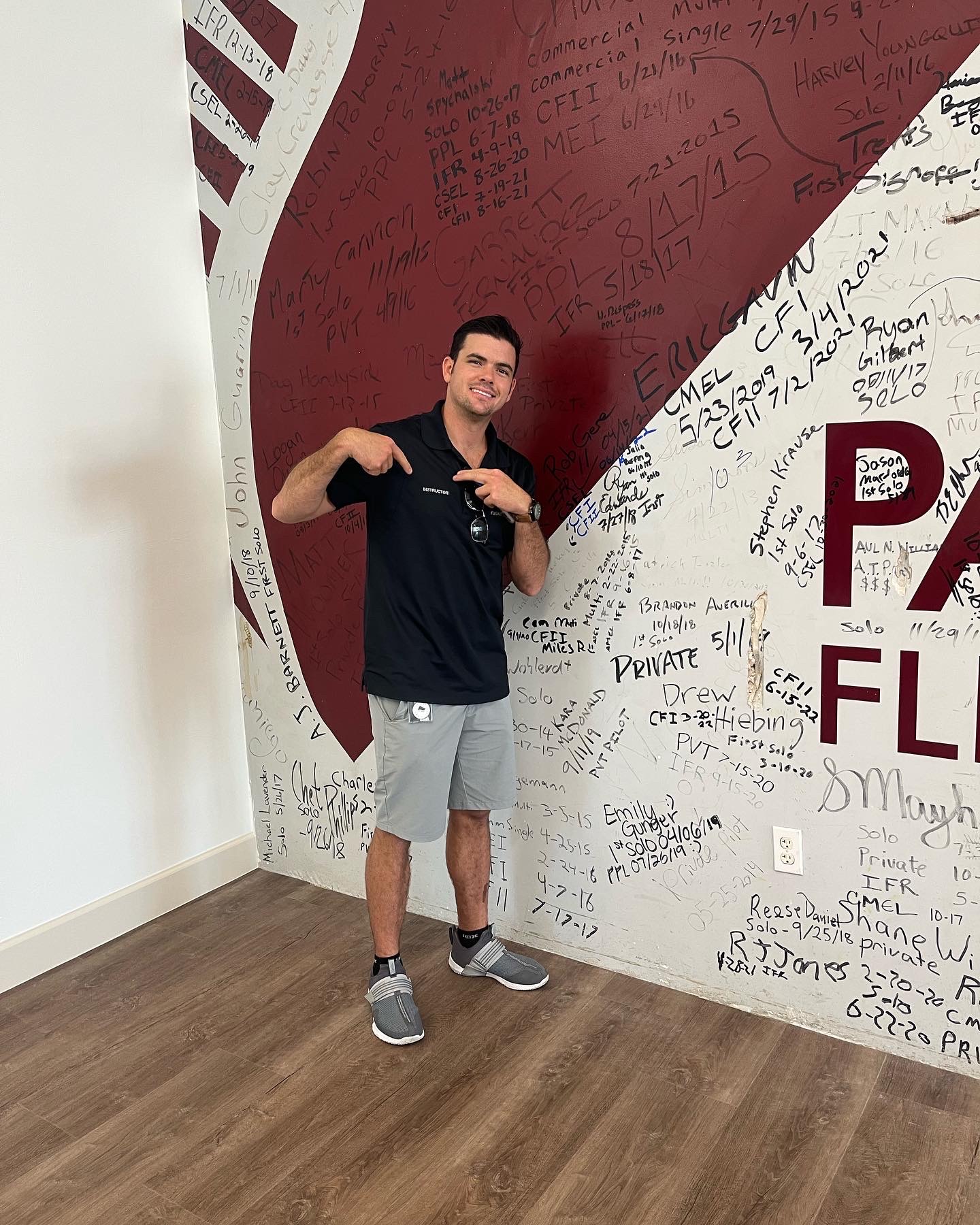
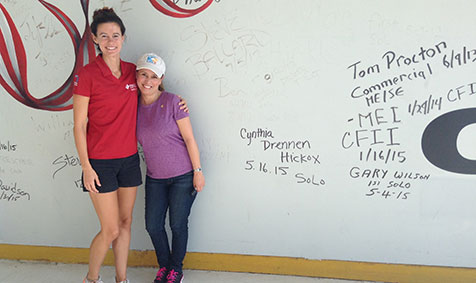
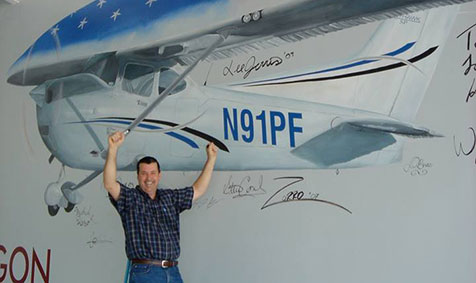
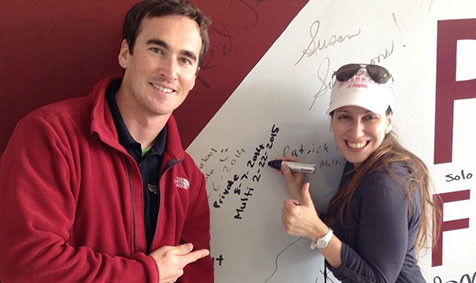
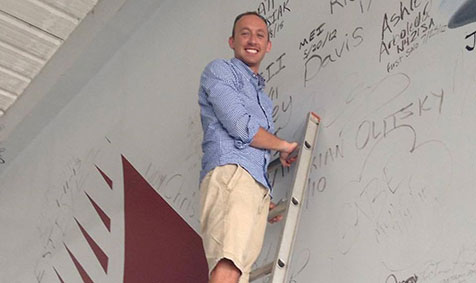
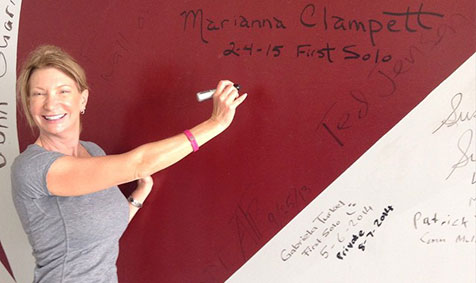
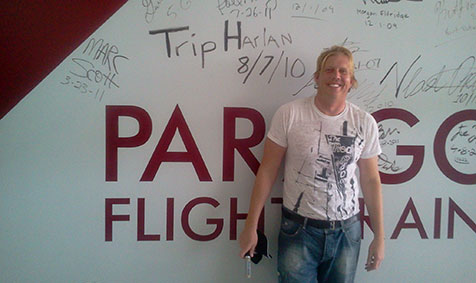
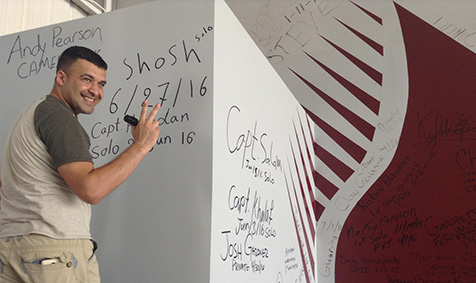
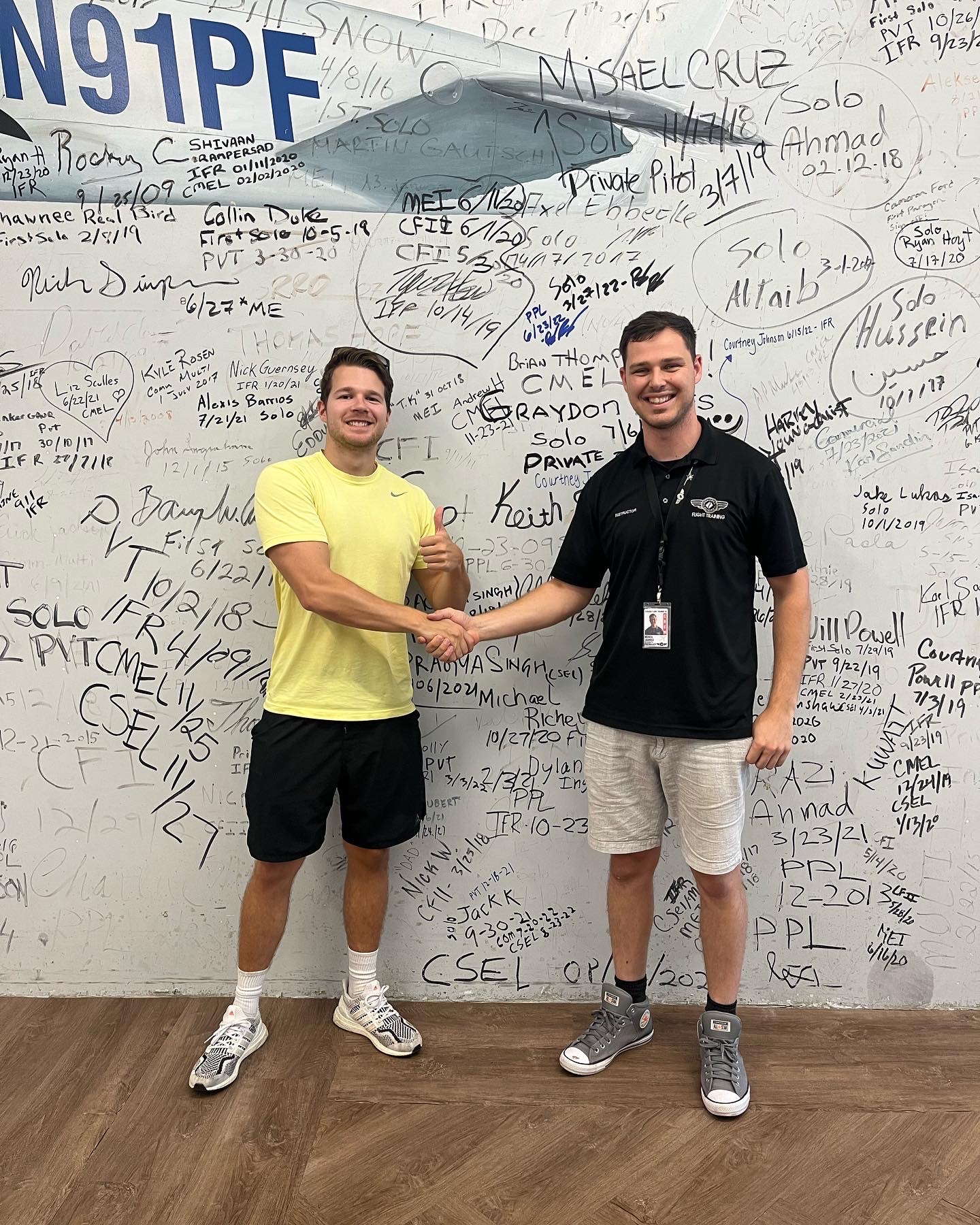
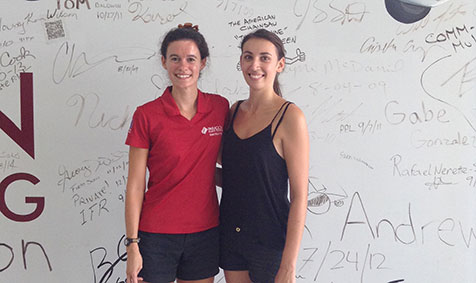
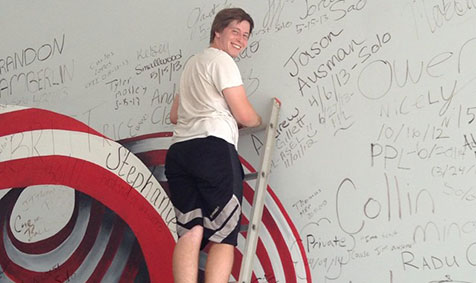
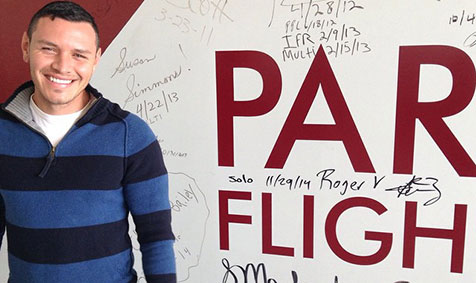
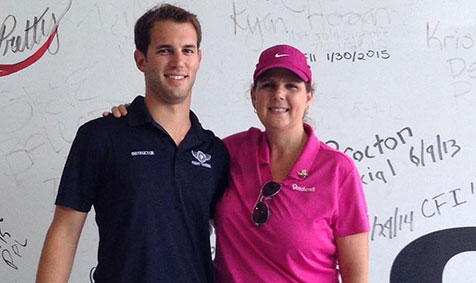
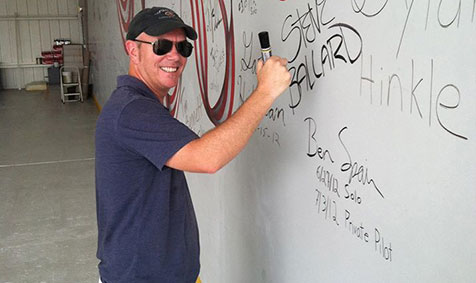
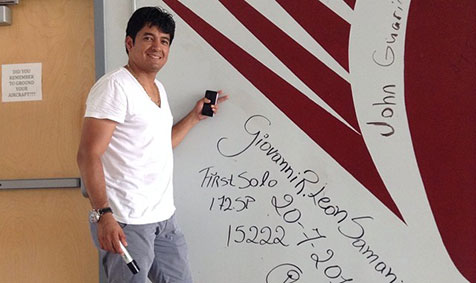
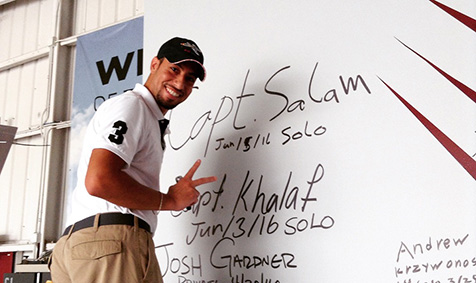
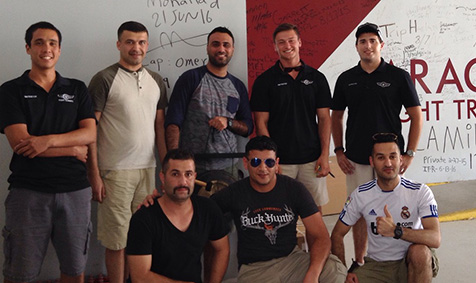
The Wall of Awesomeness
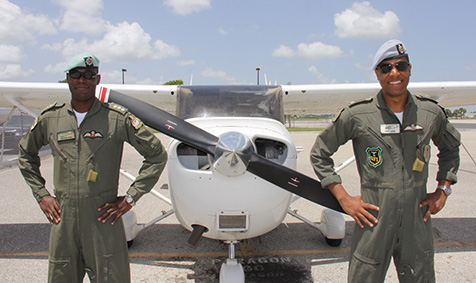
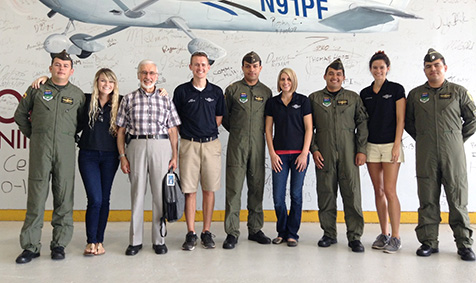
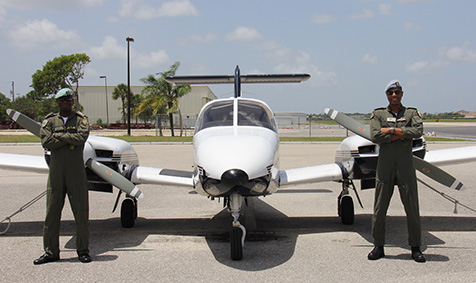
Become One of the Paragon Family.