


Choosing a Flight School in Florida Versus Vermont

Where you train matters, from weather to airspace, the location of your flight school can shape how fast you progress, how much you spend, and how prepared you are for a professional career. If you’re weighing the choice between training in Florida versus Vermont, here are a few things to consider, and why many aspiring pilots ultimately choose Paragon Flight in the Sunshine State.
More Flyable Days = Faster Progress
Paragon Flight’s Florida campuses experience an average of 360 days of favorable flying conditions each year, enabling students to complete their training without seasonal interruptions. In Vermont, winter weather, low visibility, and icy conditions often delay or cancel flights, which can slow overall progress.
Diverse Airspace = Adaptable Pilots
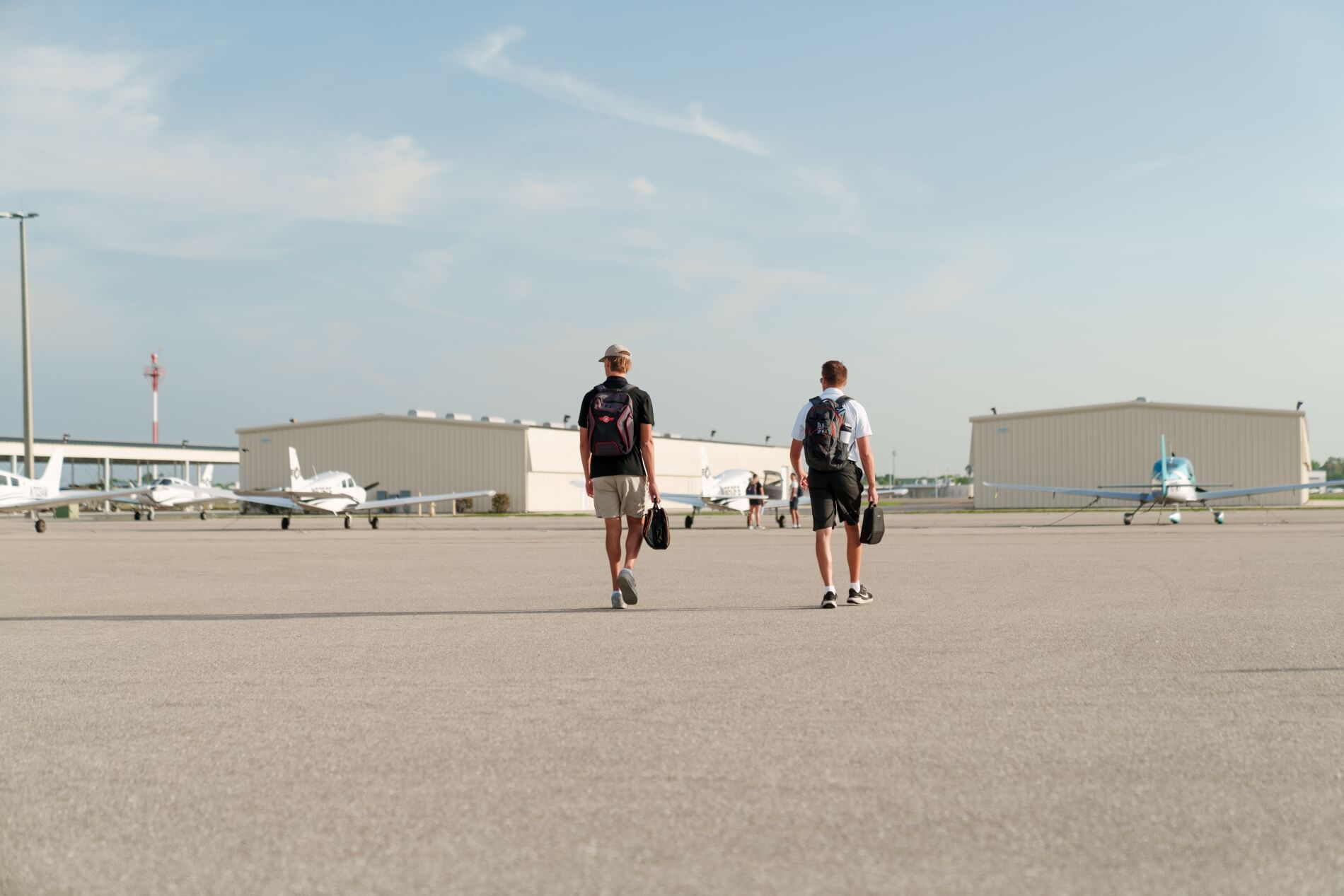
One of the most important factors to consider when choosing a flight school is the type of airspace you’ll be training in. Paragon students have access to a mix of controlled and uncontrolled airports, including high-traffic, towered environments like Fort Myers’ Page Field (FMY), as well as quieter locations like Punta Gorda (PGD).
This variety helps student pilots build the confidence and adaptability required for real-world aviation careers:
- Frequent interaction with air traffic control builds strong radio communication skills.
- Busy airspace provides exposure to real-world scenarios, such as sequencing, rerouting, and holding patterns.
- Dynamic training conditions sharpen decision-making and judgment.
With fewer airports and less diverse airspace, Vermont offers limited exposure to the range of flight operations and air traffic control communications that are common in Florida.
Pilot Hub + Support = Industry Advantages
Florida’s expansive aviation network, featuring major airports, high-traffic airspace, and year-round favorable weather conditions, offers a clear advantage over more limited regions like Vermont. It’s an environment that builds real-world flying skills and opens doors to future career opportunities.
At Paragon Flight, you step into a professional network. From industry events to connections with airline recruiters, students benefit from being in a state that serves as a central aviation hub. Students also benefit from personalized career support, helping them refine their resumes, prepare for interviews, and navigate the hiring process.
Advanced Fleet = Real-World Readiness
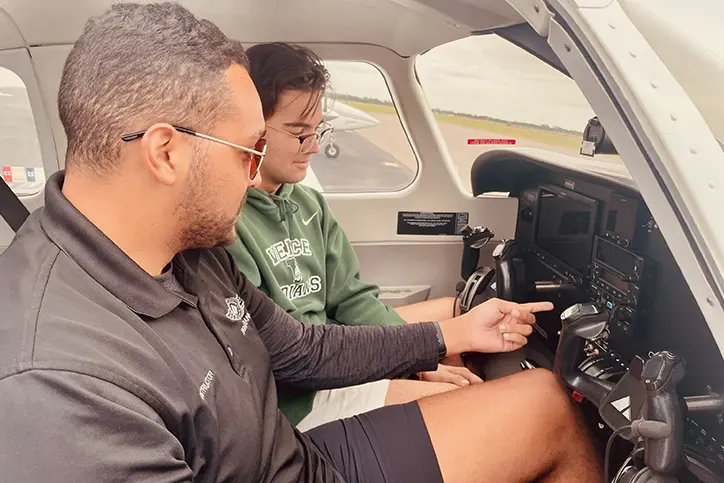
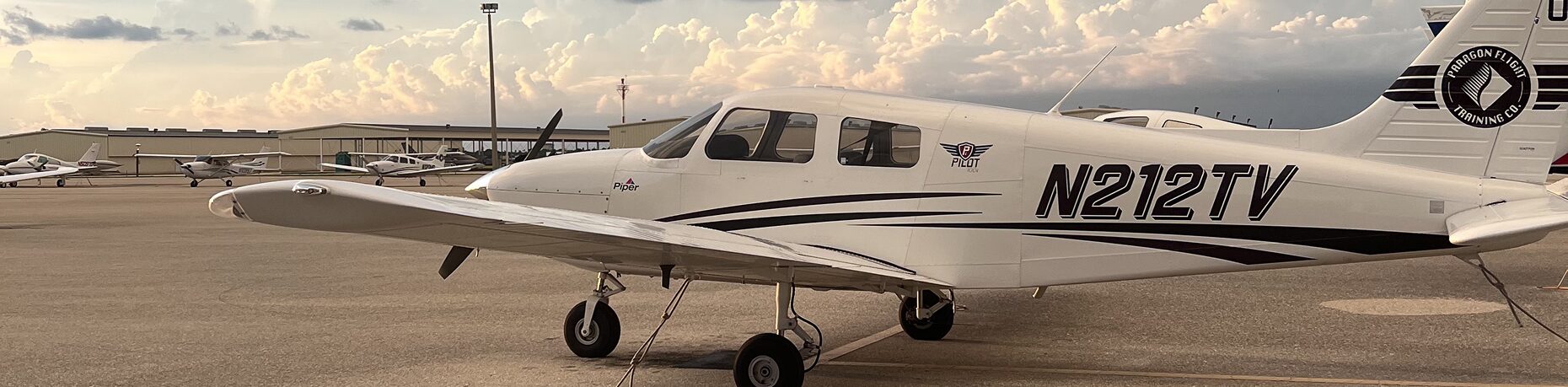
At Paragon, our modern training fleet includes Piper Archer TX and Cirrus SR20 aircraft, all featuring Garmin G1000 NXi glass cockpits. Training with the same advanced avionics used in many commercial jets, students gain experience with industry-standard technology from the very first day.
Training also includes time in the ALSIM AL172 flight simulator, where students safely practice instrument flying, emergency procedures, and complex flight scenarios.
Flexible Training = Personalized Progress
There’s no one-size-fits-all path to becoming a professional pilot. Paragon’s dual FAA Part 141 and Part 61 authorizations allow you to choose the training style that best fits your schedule, goals, and lifestyle.
Part 141 is a structured, accelerated track ideal for full-time students, veterans using GI Bill benefits, and international students. All required certifications can be completed in 7 to 10 months.
Part 61 is a flexible, self-paced option perfect for those balancing work, family, or other responsibilities. It allows you to progress on your own timeline, with personalized scheduling and one-on-one instruction.
Set Yourself Up for Success at Paragon Flight
Choosing where to go to flight school is about setting yourself up for success. When you compare Florida versus Vermont, the advantages of training at Paragon Flight become clear. Whether you’re looking for a fast, structured path or need a more flexible option, your training at Paragon is backed by more flyable days, diverse airspace, real-world readiness, and strong career connections.
Ready to get started? Contact us today to speak with a team member or schedule a tour at one of our award-winning Florida campuses.
Popular Posts