

Multi-engine Add-On programs include:
- 11-15 hours of multi-engine flight training time
- 5 hours of ground training
- 1.5 flight hours for the FAA check ride
- Supplemental training materials
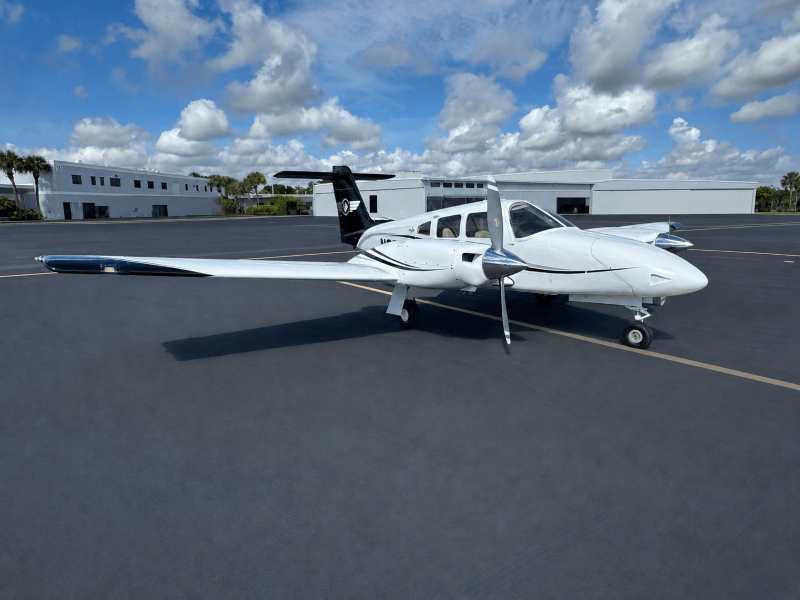
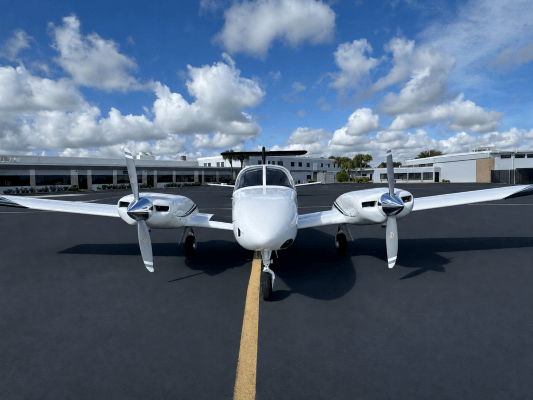
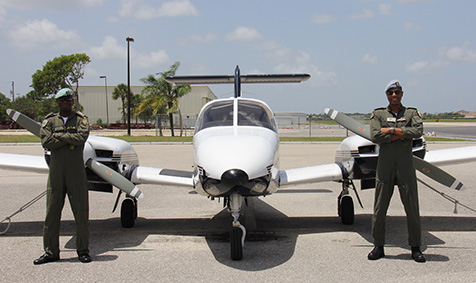
Paragon’s multi-engine training is designed to be structured, immersive and fast-paced, using Piper Seminoles with G1000 avionics and a matching advanced flight simulator to maximize proficiency and the value of each training hour.
For pilots completing a multi-engine add-on, training can typically be completed in 7–10 days and fewer than 12 flight hours, depending on proficiency and previous experience. Students completing Commercial Multi-Engine Initial follow a more comprehensive program, typically including approximately 35 hours of flight training.
Both paths use an airline-style training approach that integrates aircraft and simulator training to build procedures, decision-making and multi-engine proficiency efficiently.
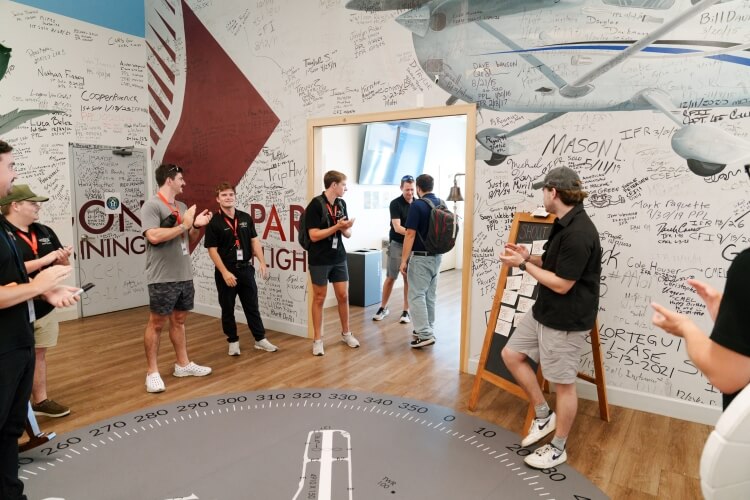
Depending on the student’s proficiency level and goals, Paragon’s standard multi-engine add-on program is typically a 11-15 hour course that can be completed in as little as seven (7) days. For those wanting or needing more flight time or to build proficiency or to meet airline minimum requirements, please let us know how much you would like to fly. Additional ground or flight time is always available.
Our multi-engine programs are designed with the aspiring commercial pilot in mind so they are economical, fully immersive and fast-paced.
Multi-engine Add-On programs include:
Multi-engine Initial programs include:
The basic difference between operating a single-engine airplane and a multi-engine airplane is the potential problem of engine failure. During your training to become a multi-engine pilot, you will learn to safely fly the aircraft under normal operations as well as with one engine inoperative (OEI).
You’ll train in the Piper PA-44 Seminole, which is widely considered the industry standard for multi-engine training. Every flight focuses on real-world scenarios, including how to safely operate the aircraft under normal conditions and with one engine powered off.
For those starting from zero, our P3 Professional Pilot Program provides an all-in-one path from beginner to commercial pilot training, with opportunities to pursue multi-engine privileges.

Multi-engine training moves quickly, which makes aircraft availability, maintenance, training resources and support especially important. At Paragon, an entire team and training infrastructure are behind you to help keep your training consistent and progressing.


It depends on your training path. If multi-engine is an add-on to an existing commercial certificate, no additional FAA knowledge test is required. If multi-engine is your initial commercial certificate, an FAA knowledge test is required.
Yes. You can add a multi-engine rating to either a private pilot certificate or a commercial pilot certificate. The rating you earn depends on the certificate level you currently hold.
The largest difference is managing asymmetric thrust when one engine is down. In single-engine configurations, an engine failure requires pilots to glide to a landing. Multi-engine aircraft can maintain flight on one engine, but you need to learn how to control the yawing force with rudder pressure.
Yes the multi-engine rating is a job requirement for commercial airline pilots as jets have multiple engines.
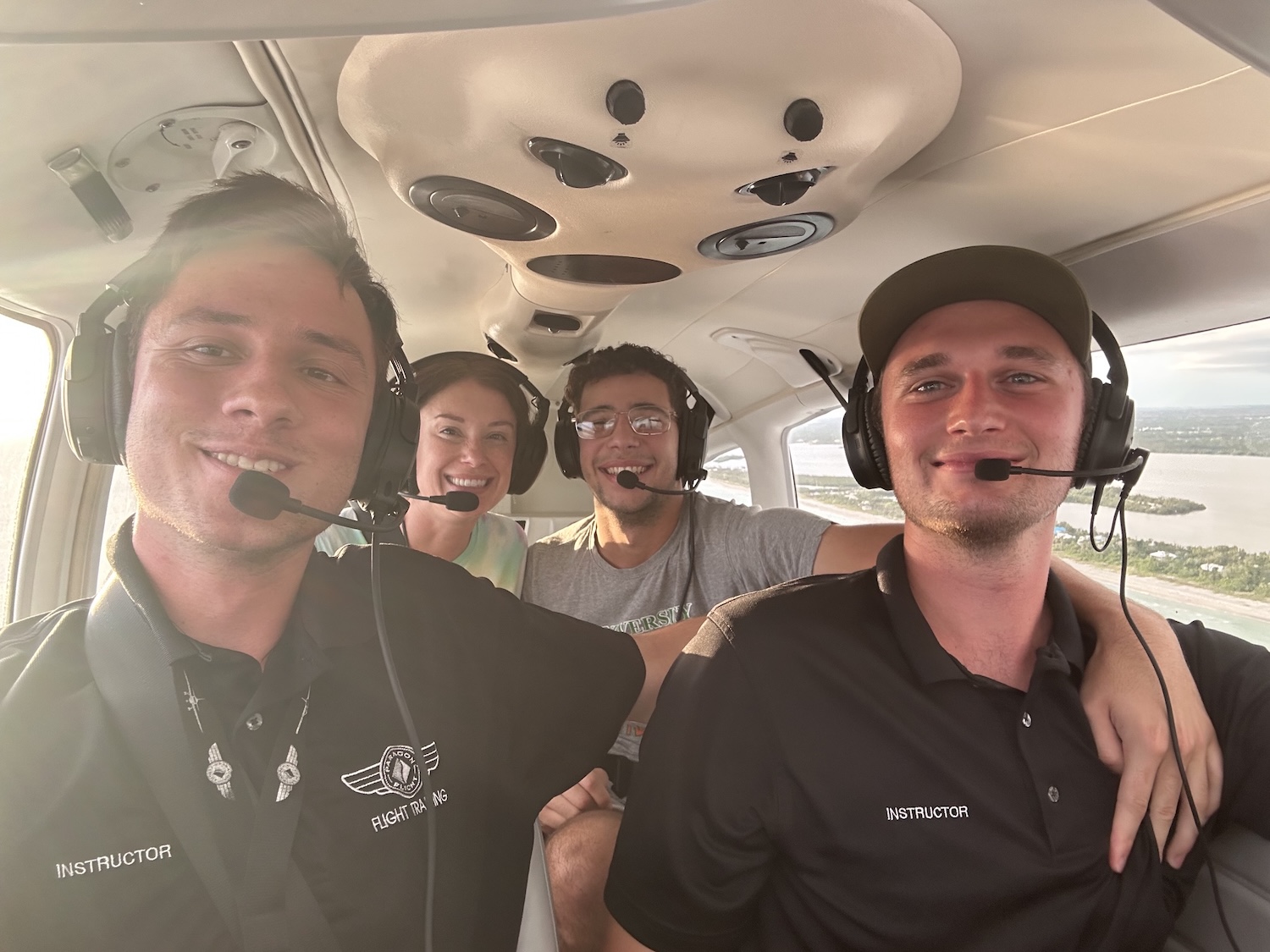
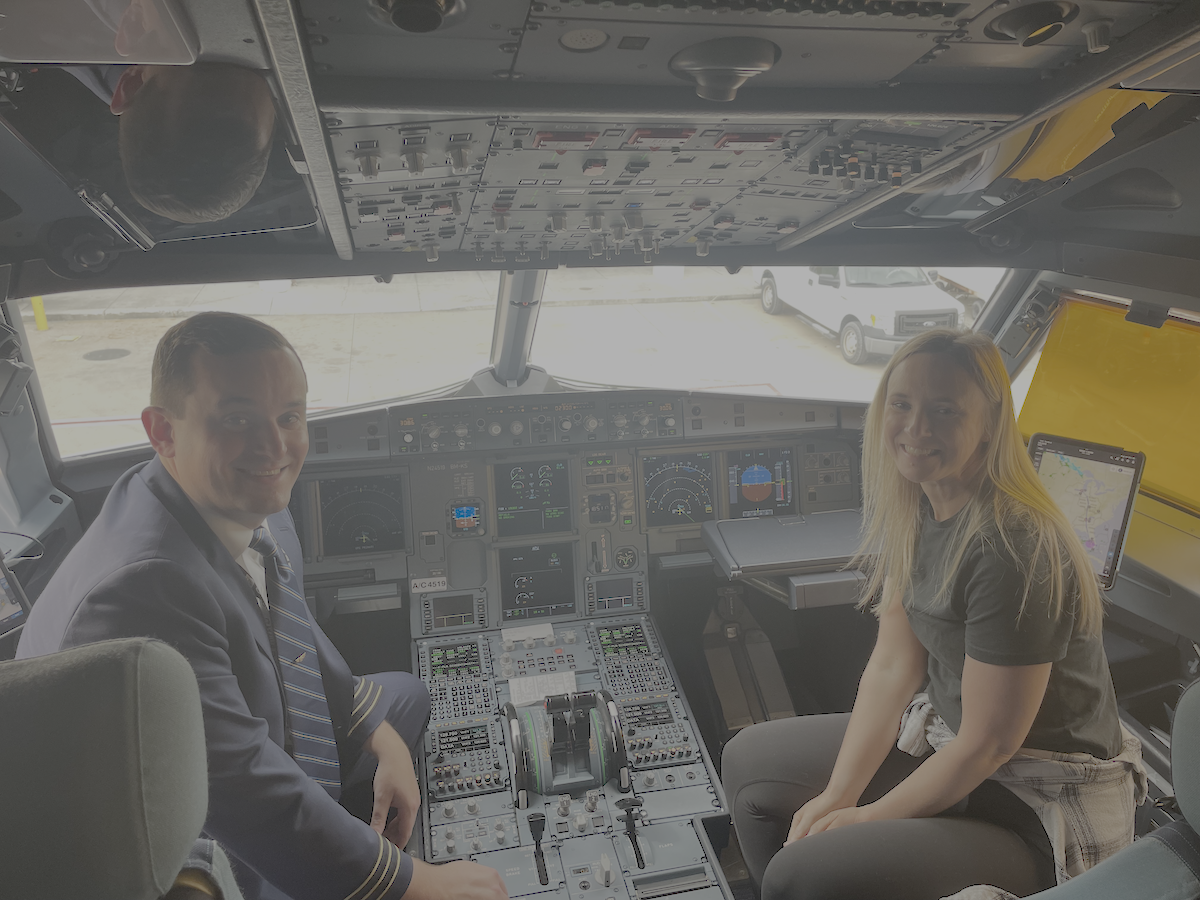
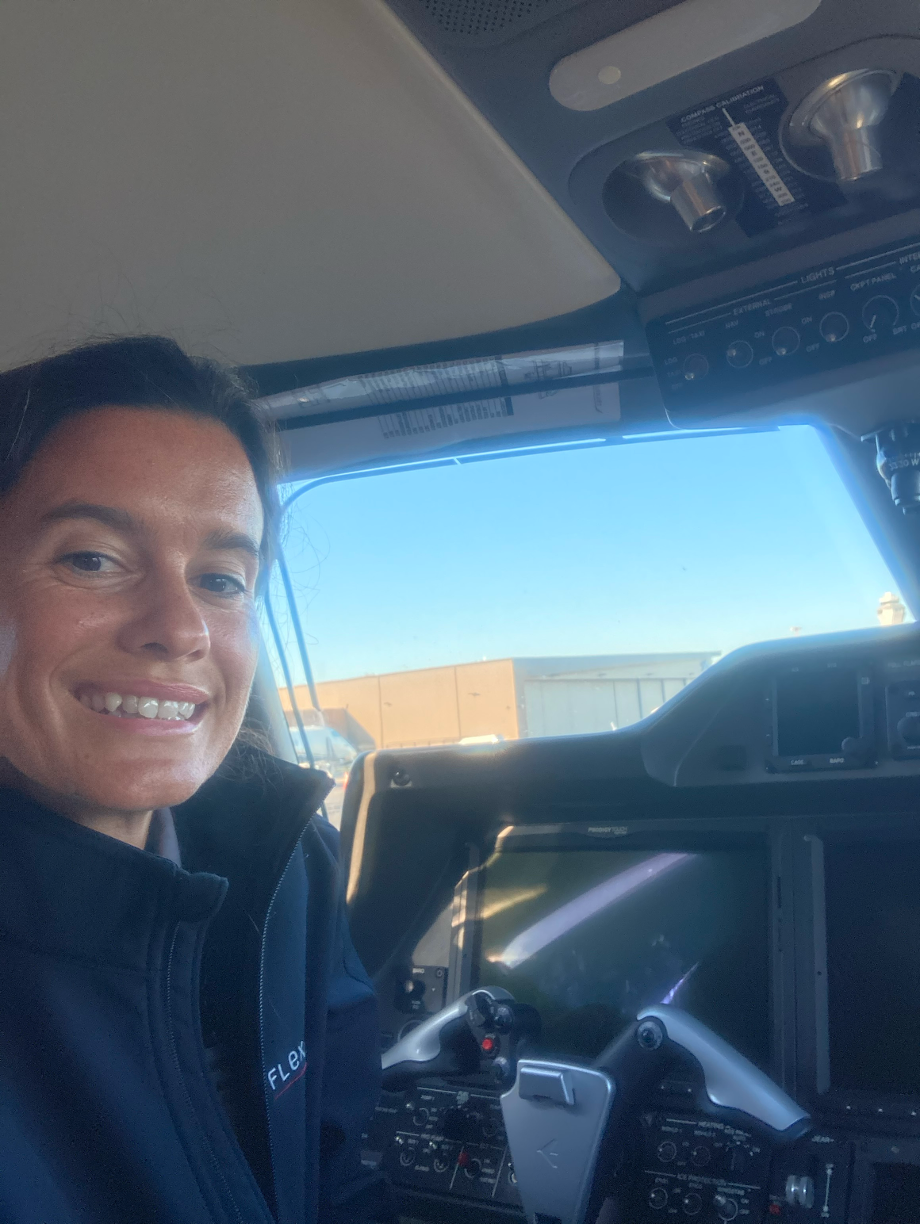

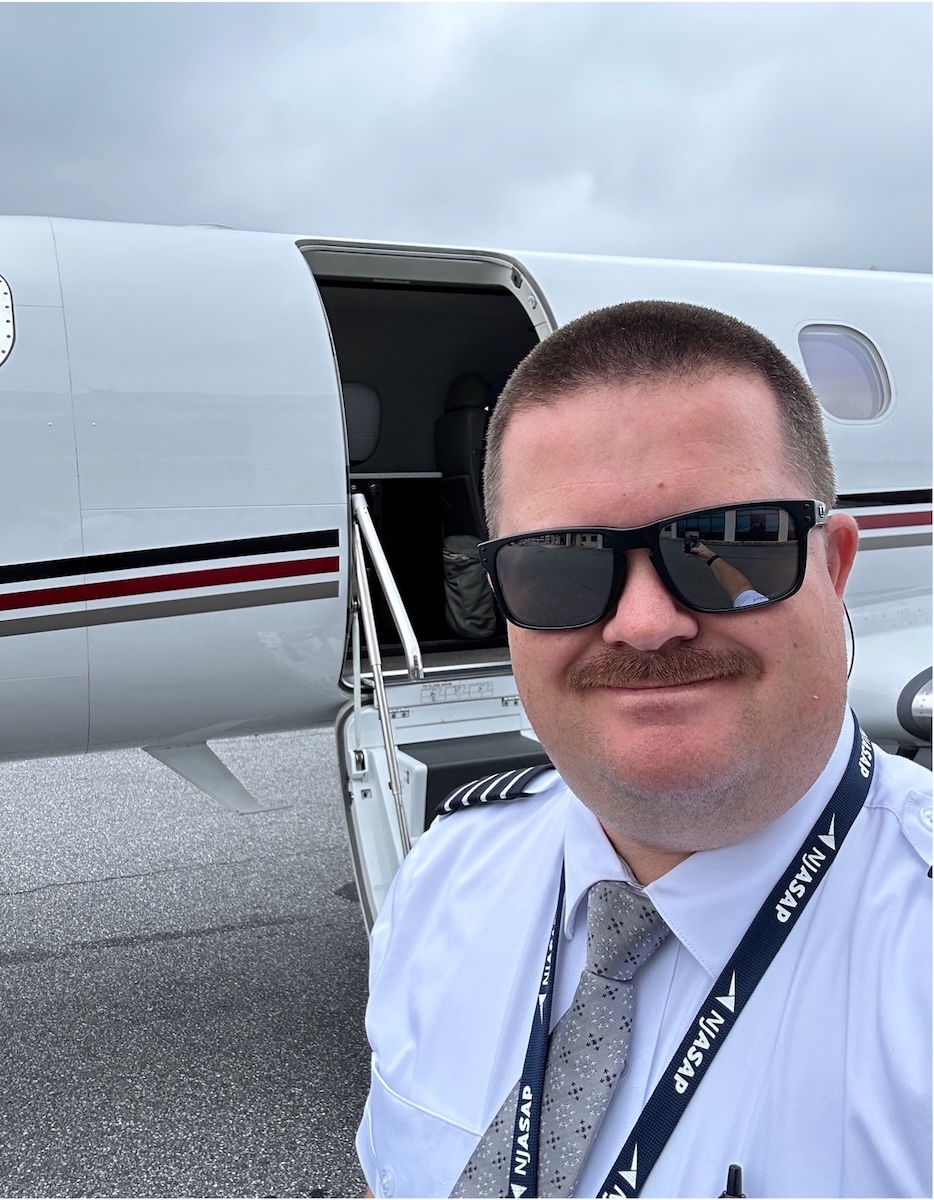
Earning your multi-engine rating gives you a strong foundation to grow in your aviation career. Whether you’re building hours or hoping to add a new rating to your certificate, Paragon Flight Training is here to help you succeed.
Contact us online today or call 239-274-3170 to hear more about multi-engine training.
































90% First-Time Pass Rate
Become One of the Paragon Family.