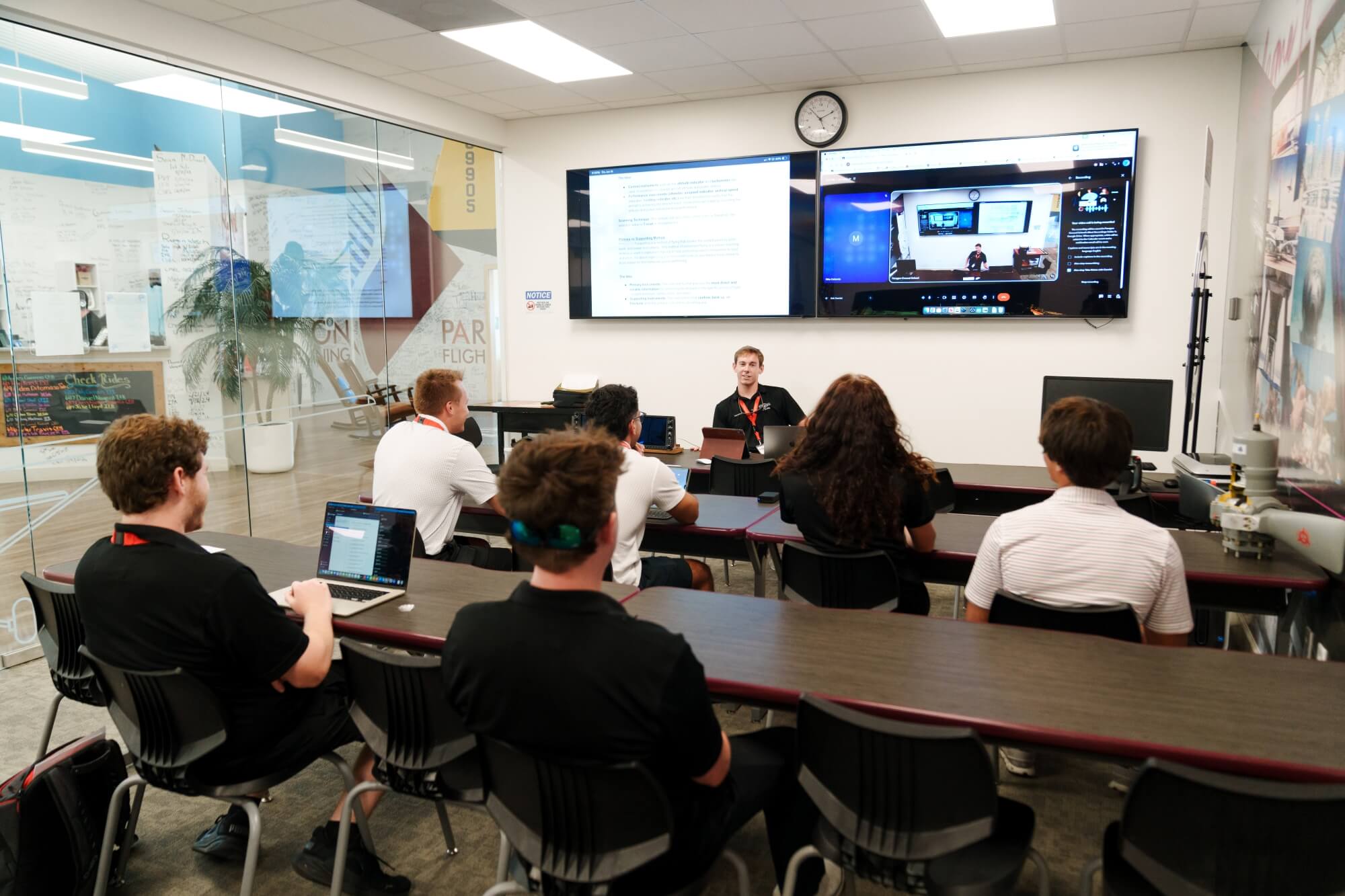


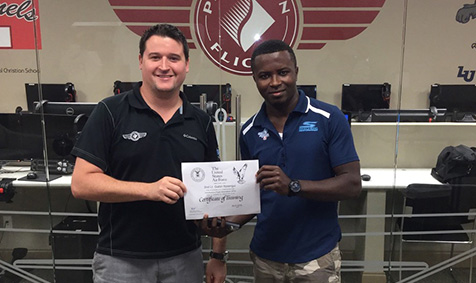
Once you pass your checkride and receive your certificate, you’re qualified to begin teaching students. Paragon frequently hires graduates as instructors, offering a potential path to employment and the opportunity to gain flight experience for airline positions.
Certified Flight Instructor (CFI/CFII/MEI)
Become a Certified Flight Instructor (CFI)
The Certified Flight Instructor (CFI) rating enables you to give back to the aviation community. You can share your passion for aviation and help aspiring pilots reach their flying dreams, while you build your own skills and knowledge.
Paragon Flight Training’s Certified Flight Instructor Program gives you a structured path to pursue your CFI rating, with options to continue into Certified Flight Instructor Instrument (CFII) and Multi-Engine Instructor (MEI) training. Through personalized instruction and career-focused support, you can prepare to teach future pilots while continuing to strengthen your own flying skills.
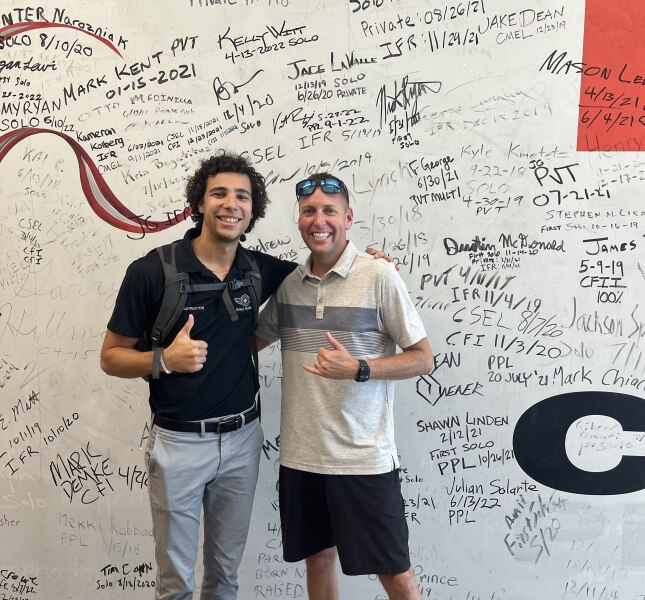
Consistent Growth as You Work With Flight Students
For many pilots, being a CFI also supports the path toward an airline career. Instructing can help you continue gaining valuable flight experience while doing meaningful work.
Benefits of becoming a flight instructor include:
- Mentoring future pilots: Help flight students work through training challenges, celebrate milestones and develop the skills they need to fly with confidence.
- Enhancing your own knowledge and flying abilities: Teaching others reinforces your knowledge and makes you a well-rounded pilot. You develop a deeper understanding of systems, regulations and decision-making procedures that many commercial airlines value.
- Gaining paid flying experience: Earn income as an instructor while continuing to progress toward your long-term aviation goals.
- Developing communication skills: Flight instruction can help you develop clearer communication skills that make you a more adaptable aviation professional.

Why Choose Paragon for a CFI Training Program?
Selecting the right training partner influences how quickly you reach your career dream. Paragon Flight Training delivers a boutique, student-focused experience backed by well-organized flight academy infrastructure.
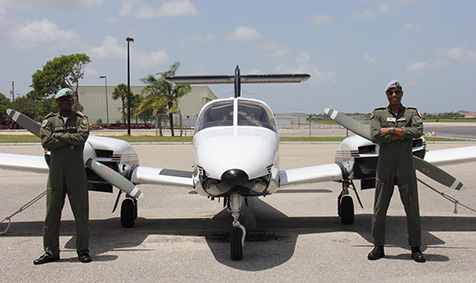
Our Certified Flight Instructor course integrates with the P3 Professional Pilot Program, a career-track roadmap designed to keep you progressing toward a professional flying career. You’ll work with our fleet of Technically Advanced Aircraft (TAA) with modern avionics and realistic flight simulators.
Train From a Location in Florida or Georgia
Paragon operates from three locations across Florida and Georgia for consistent aircraft availability. With facilities in Fort Myers and Punta Gorda, Florida, as well as LaGrange, Georgia, we help you complete your program on a timeline that aligns with your expectations.
Your Flight Instructor Certification Requirements
There are some prerequisites you must meet before starting your CFI course with us. First, you must be at least 18 years of age and hold a valid Commercial Pilot License. You’ll also need to hold an active Instrument Rating. Additionally, we require proficiency in stall awareness, spin entry, spins and spin recovery before starting.
Our admissions team will review your qualifications and inform you about additional prerequisites once you connect with us.
Certified Flight Instructor Frequently Asked Questions
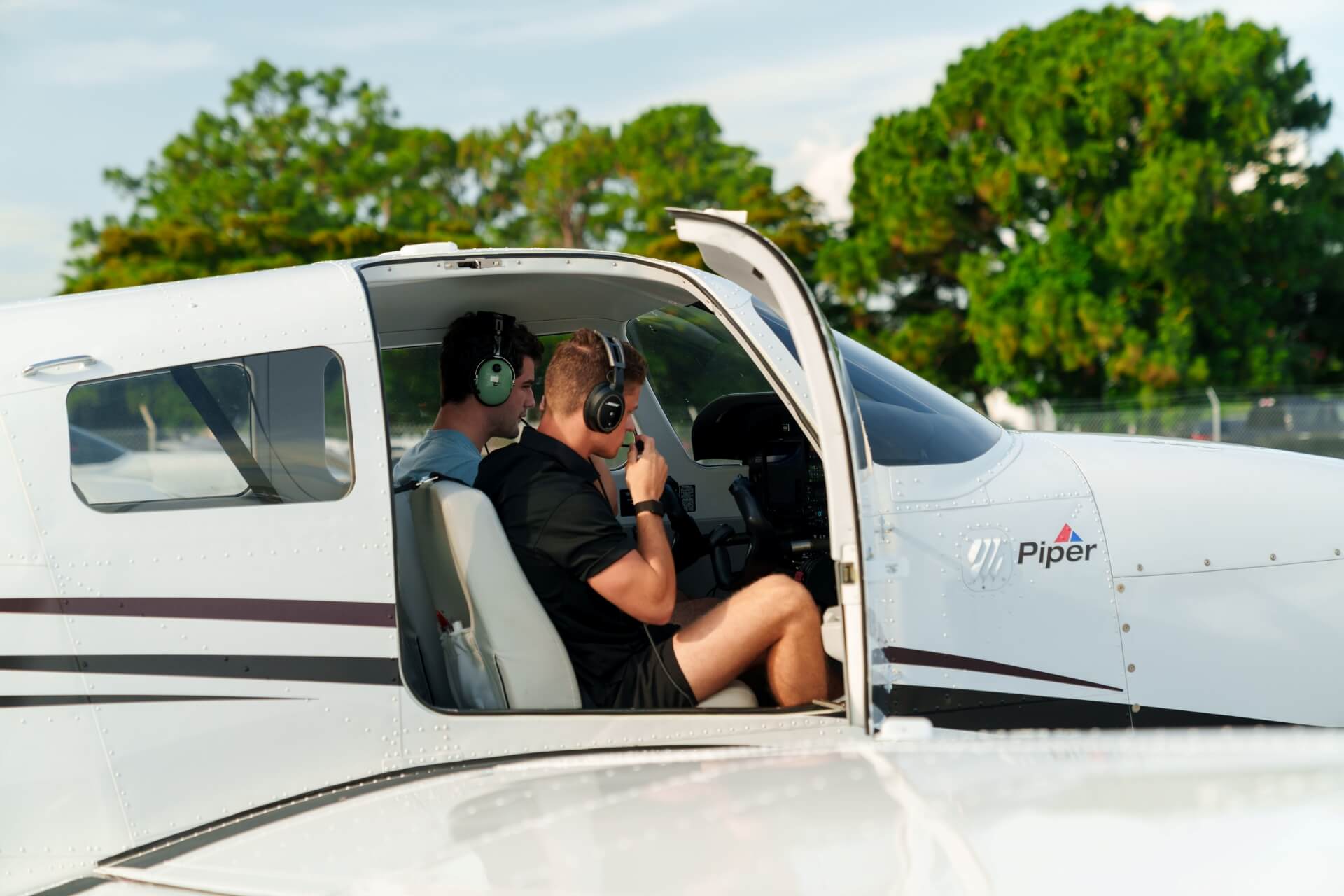
Our aircraft feature the same systems you’ll encounter in professional aviation, and you’ll gain experience with flight simulators during MEI training.
Yes. In addition to your initial CFI certificate, Paragon offers both CFII and MEI ratings. Adding these credentials expands the types of instruction you can provide. A CFII rating allows you to teach instrument students, while an MEI rating allows you to instruct in multi-engine aircraft. These additional qualifications may also increase your earning potential.
The Certified Flight Instructor Instrument (CFII) rating allows you to train students working toward their Instrument Rating. The Instrument Rating allows pilots to fly in instrument meteorological conditions (IMC). In these conditions, pilots must rely on the aircraft’s instruments instead of what they can see outside. While private pilot training does include some flying by reference to instruments, the Instrument Rating goes much more in-depth.
Commercial airlines require 1500 hours of flight experience. After becoming a certified flight instructor and building your expertise, the only step left is to apply for your career!
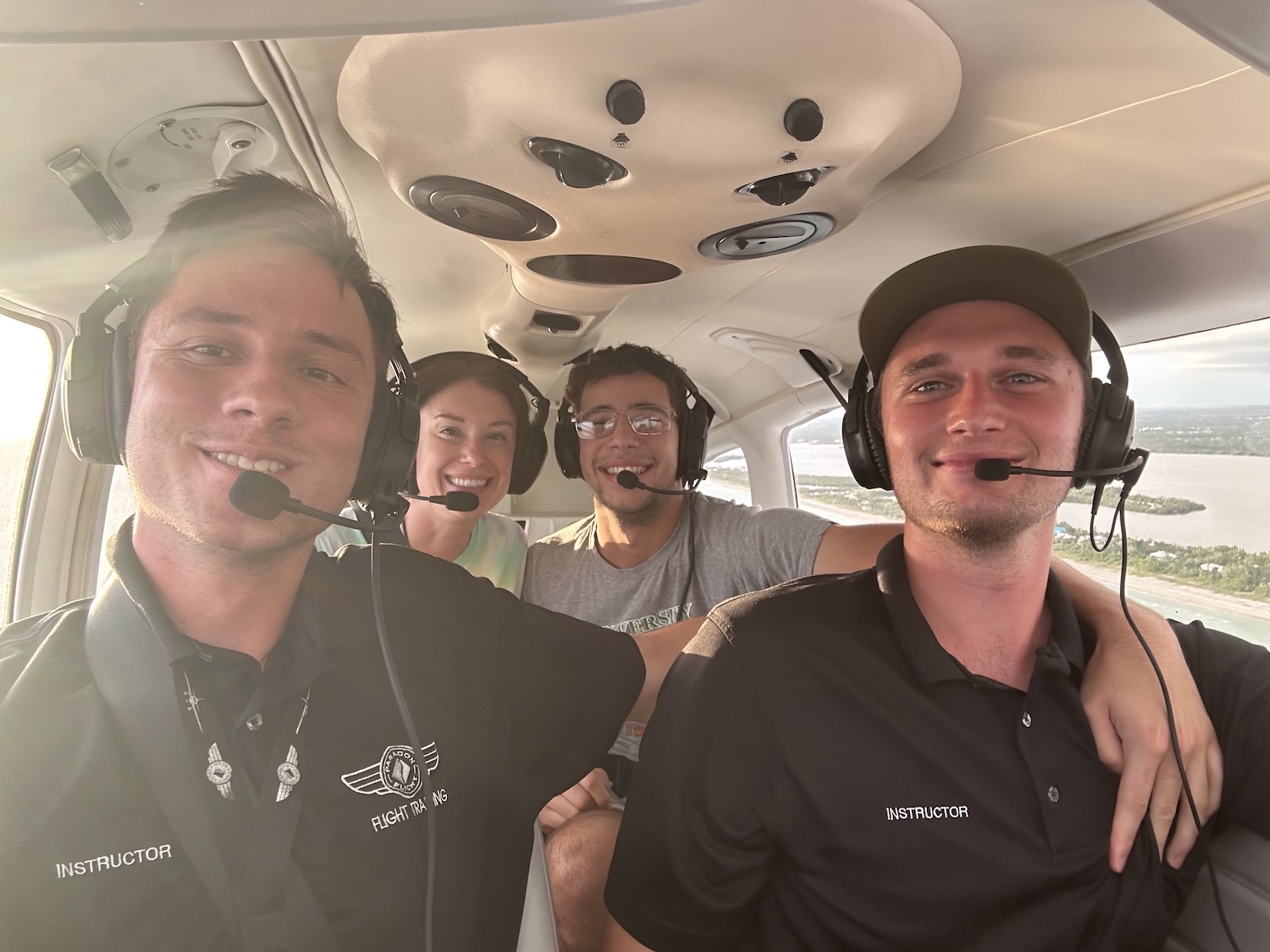

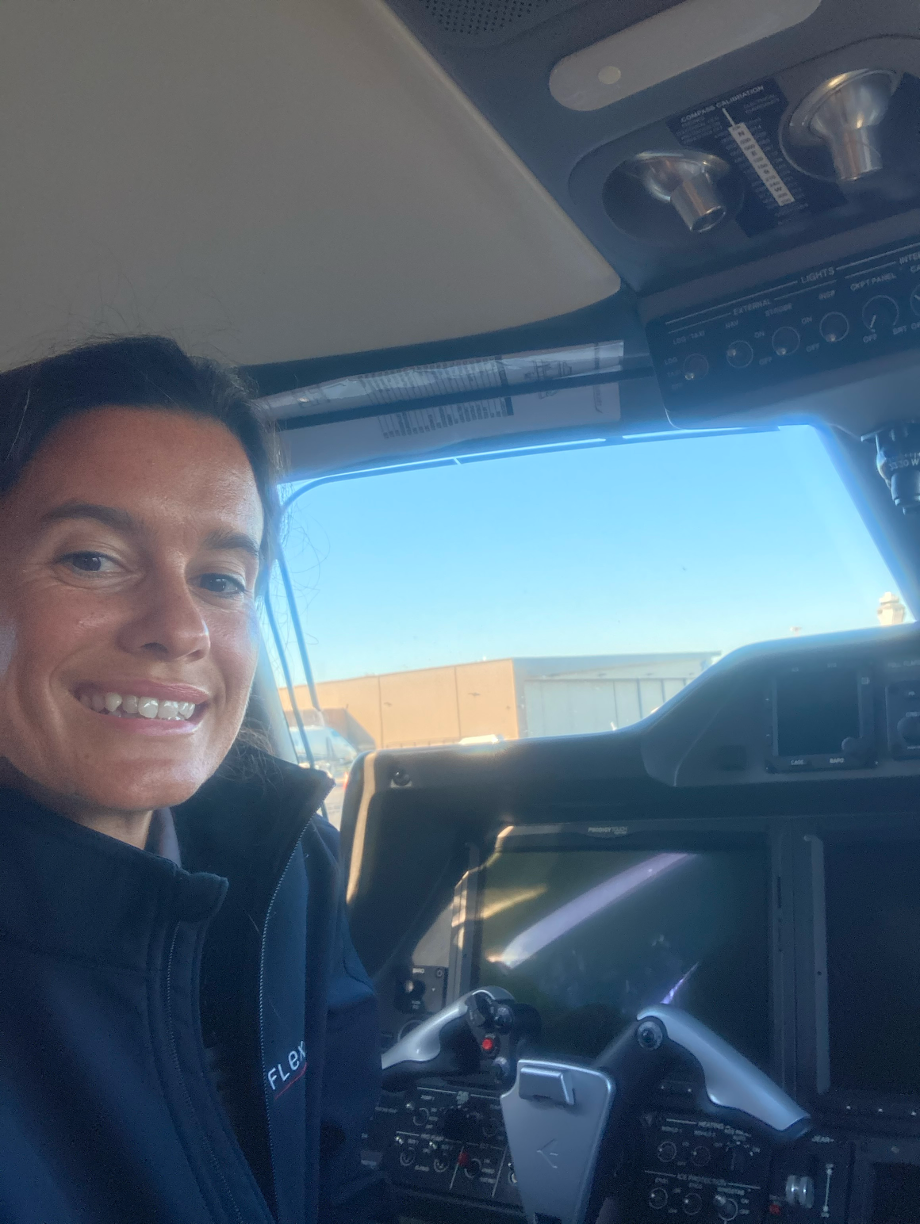


Start Your Aviation Training With Paragon Today
Paragon Flight Training offers an effective path from student pilot to paid aviation professional. The combination of structured training, advanced technology and personalized instruction positions you for long-term success.
Contact us at 239-274-3170 or submit our contact form online for more information.
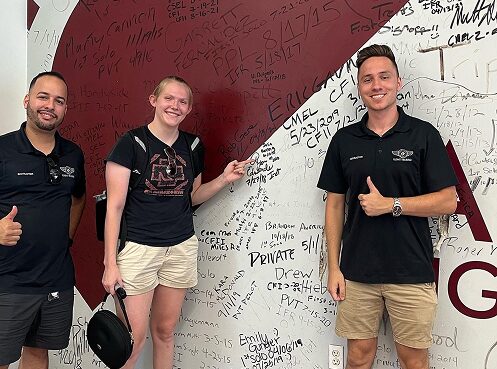
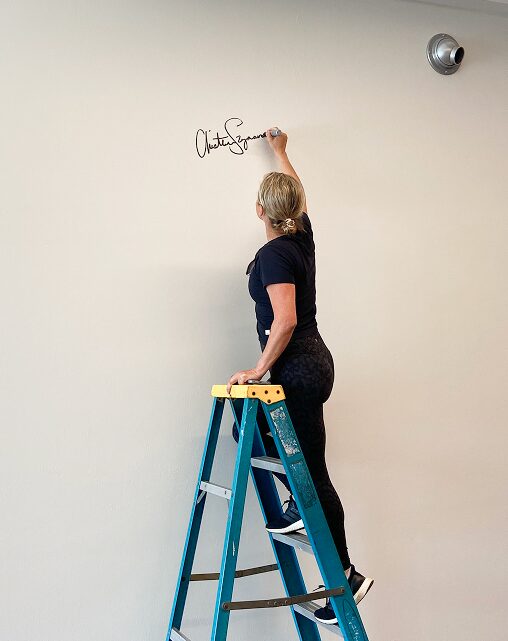




















90% First-Time Pass Rate
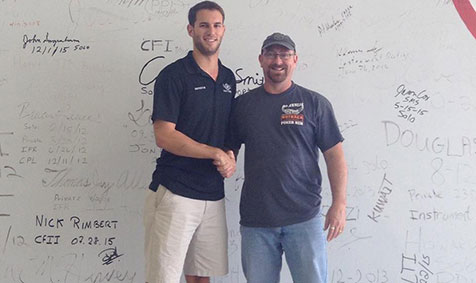
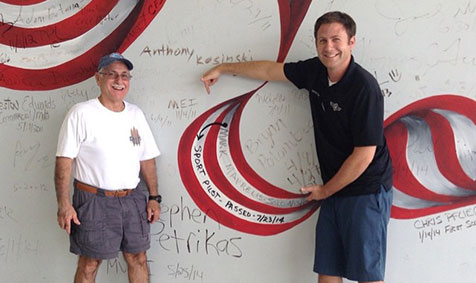
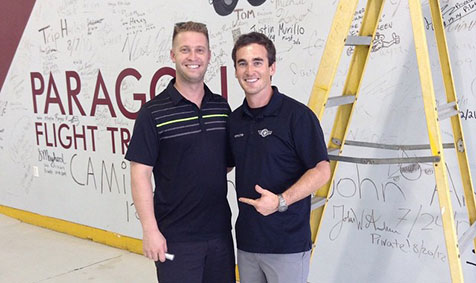
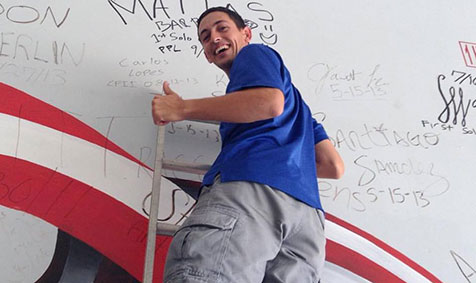
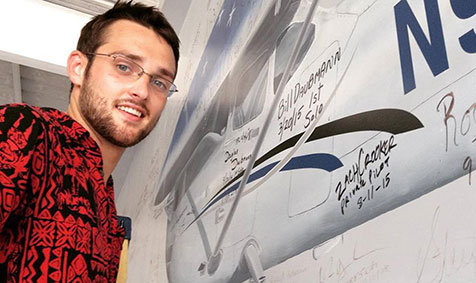
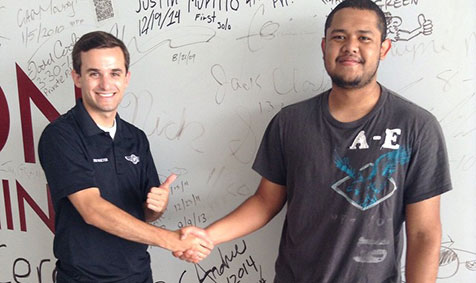
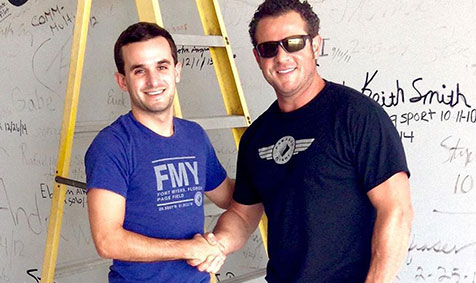
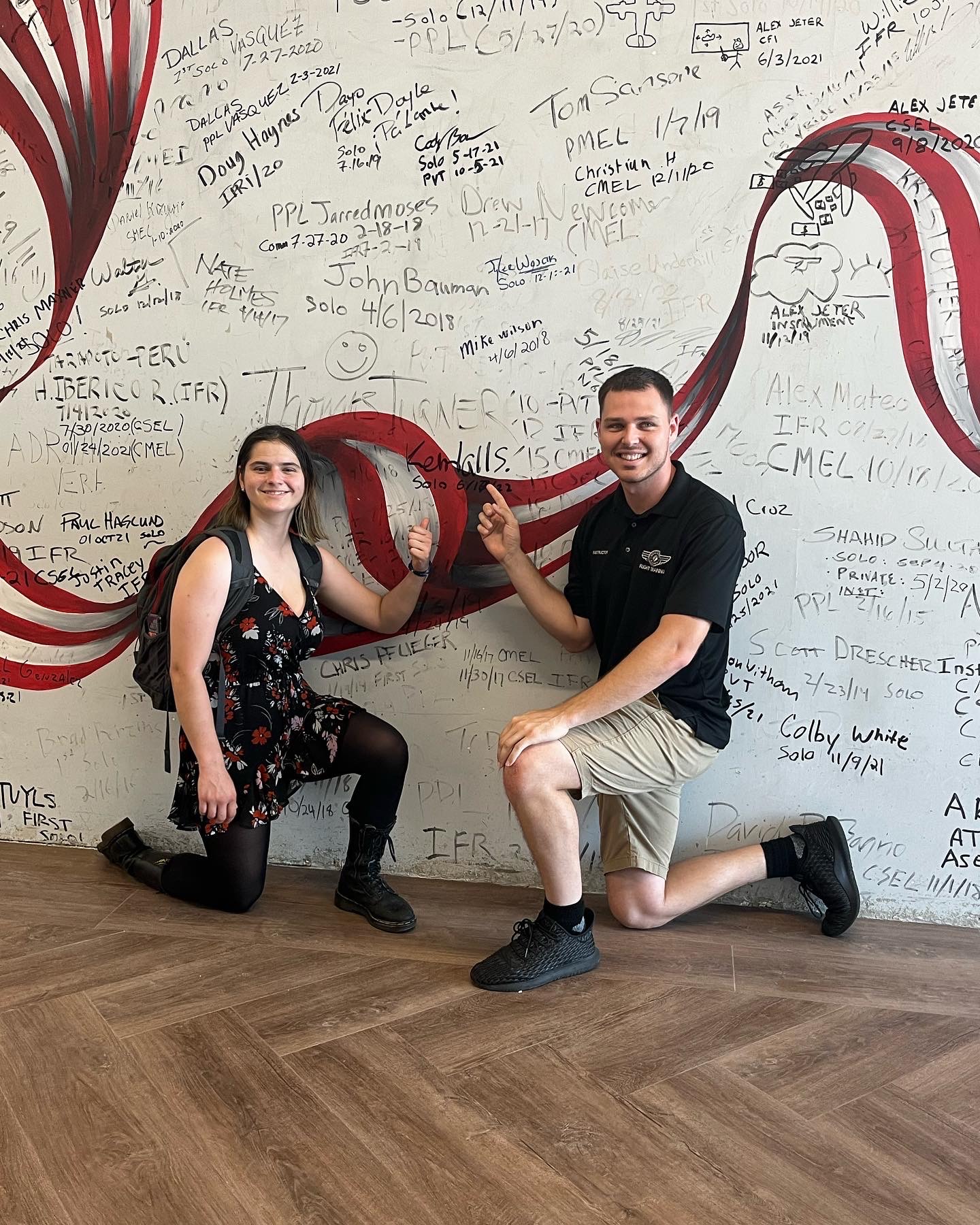
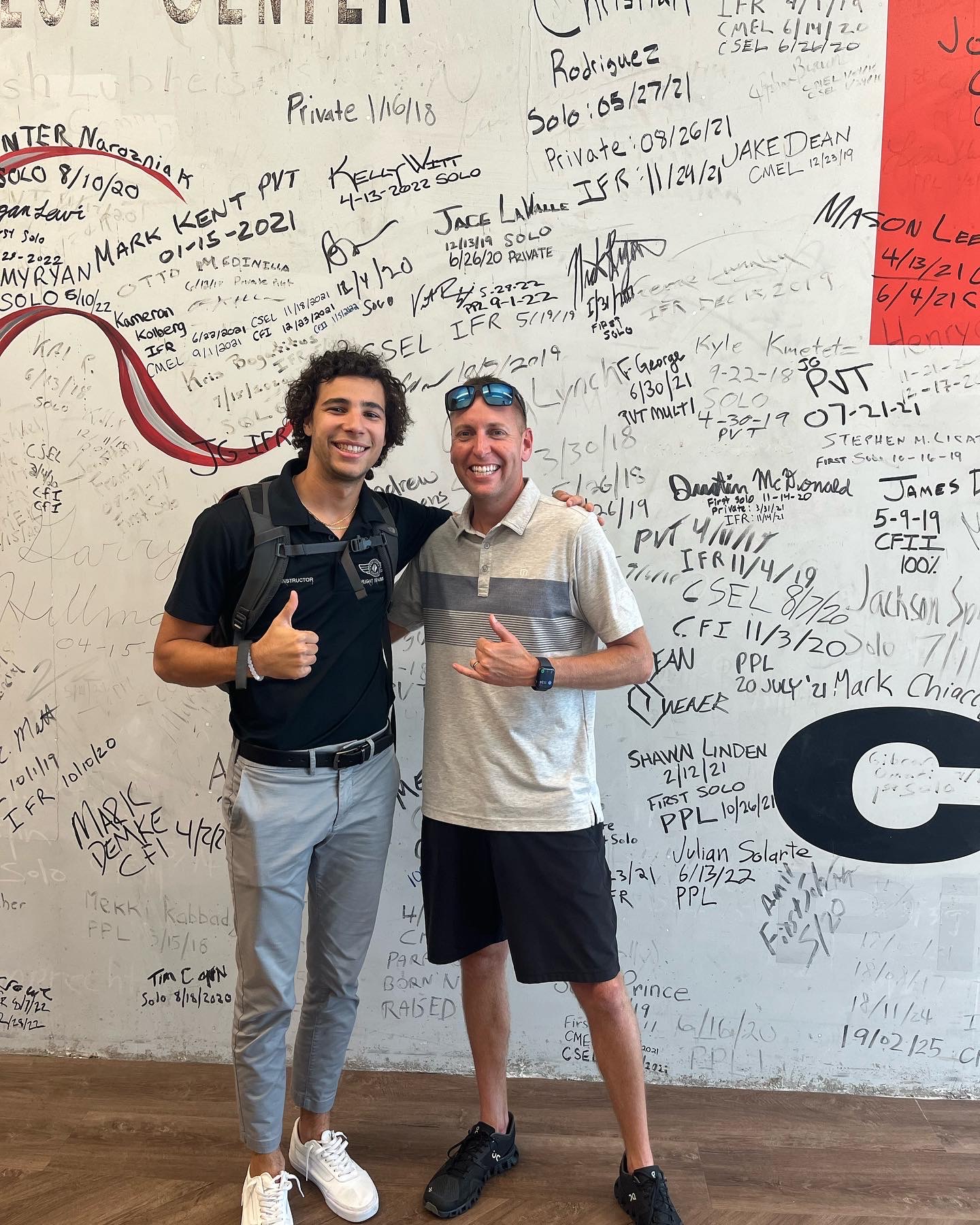
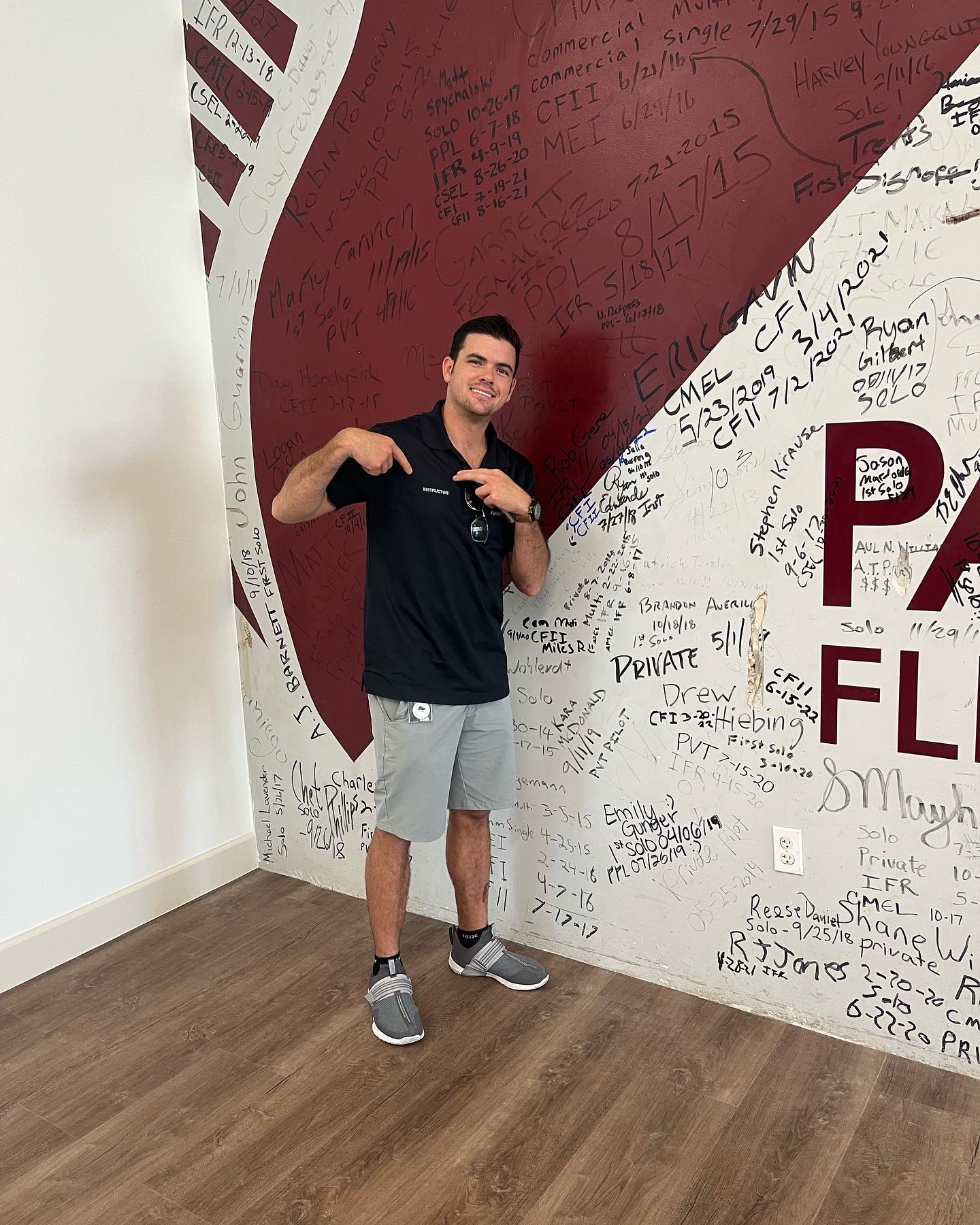
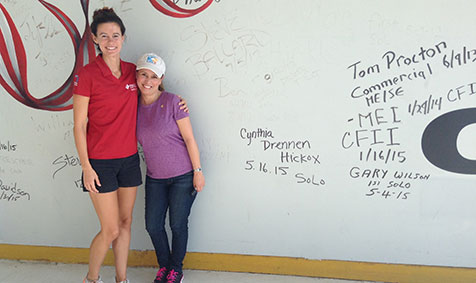
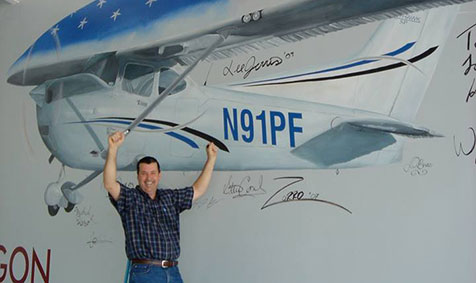
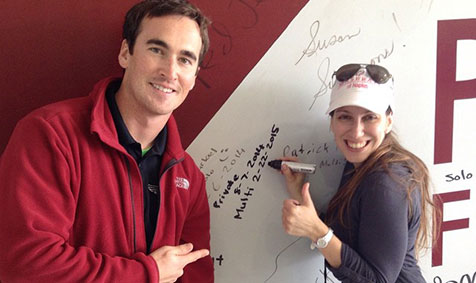
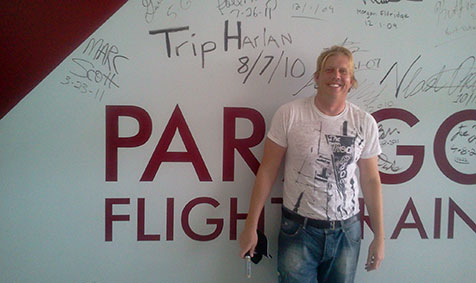
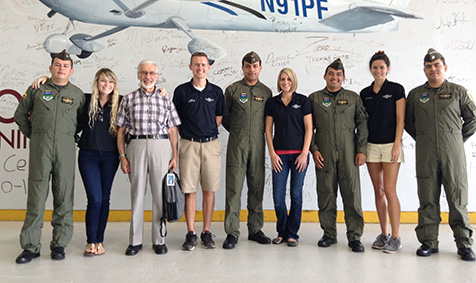
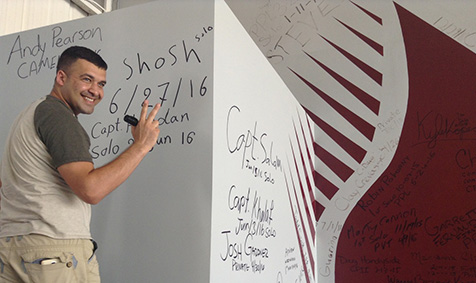
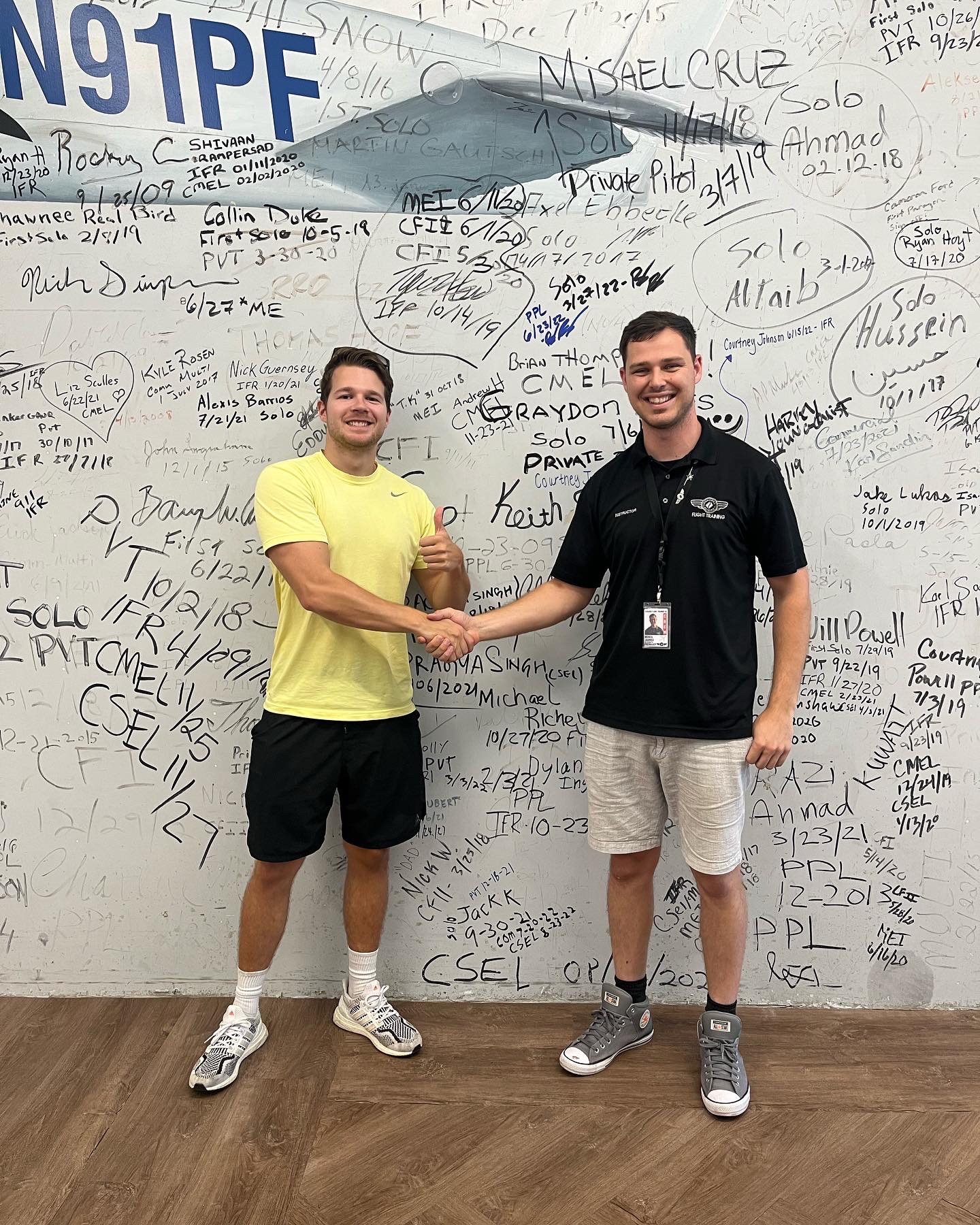
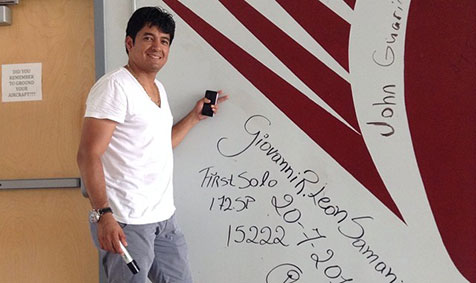
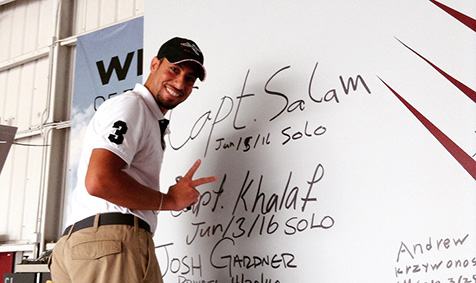
The Wall of Awesomeness
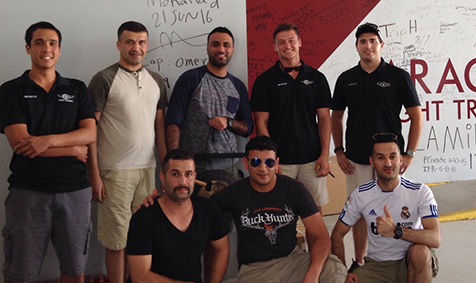
Become One of the Paragon Family.