
Aircraft & Equipment
- Home
- Aircraft & Equipment
Primary & Specialty Training Aircraft
Since 2006, Paragon Flight has specialized in training students to operate the most modern aircraft and digital avionics available. These aircraft are known as Technically Advanced Aircraft or (TAA) for short.
Training on Technically Advanced Aircraft (TAA) from day one enables Paragon’s students obtain knowledge and skills that give them the confidence to operate modern digital aircraft and systems for decades to come. Since our founding in 2006, Paragon has conducted over 100,000 hours of pilot training in Technically Advanced Aircraft (TAA) featuring Garmin G3X avionics.
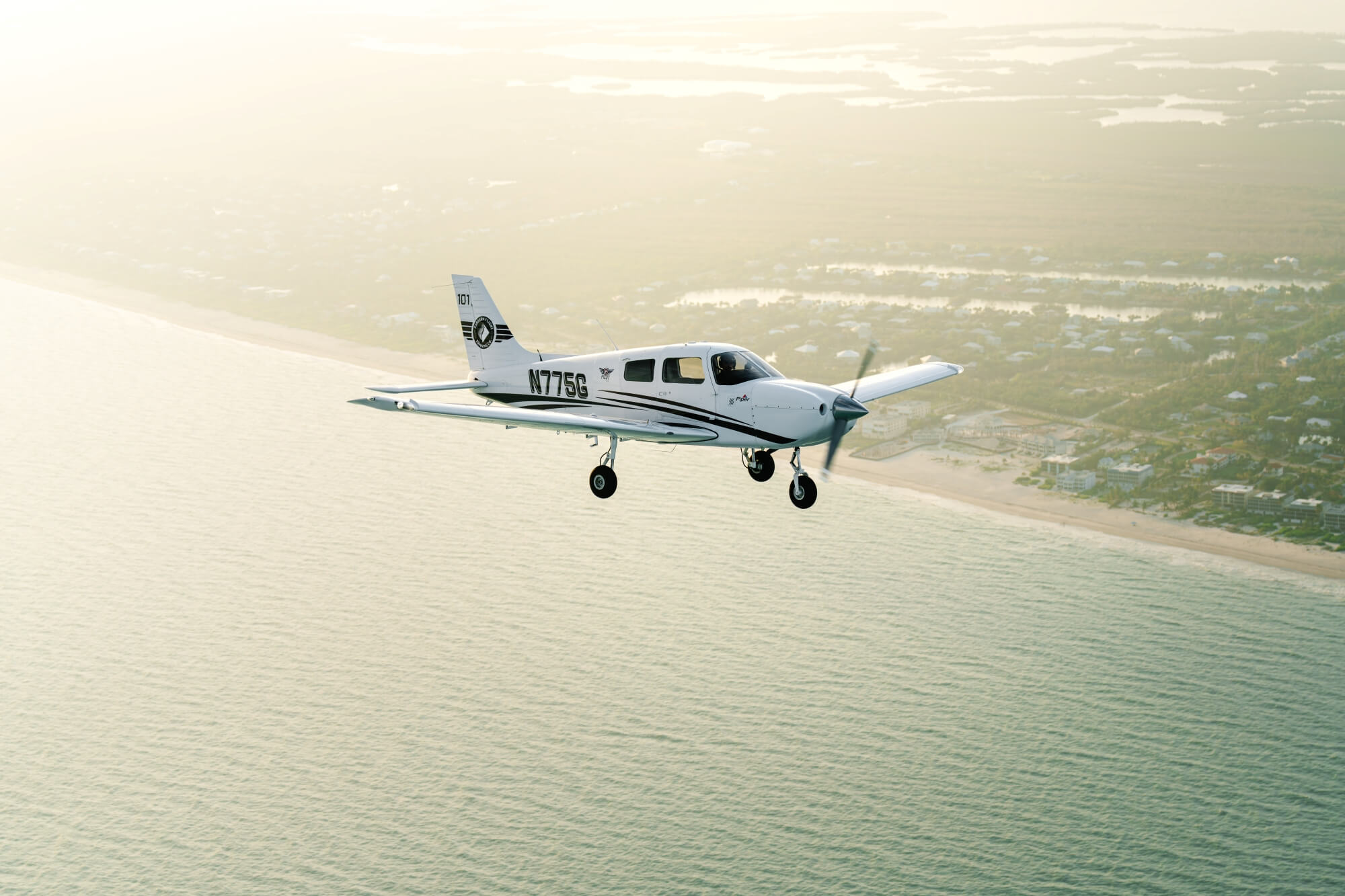
Piper PA28 “Pilot”
Purpose-Built for Flight Training
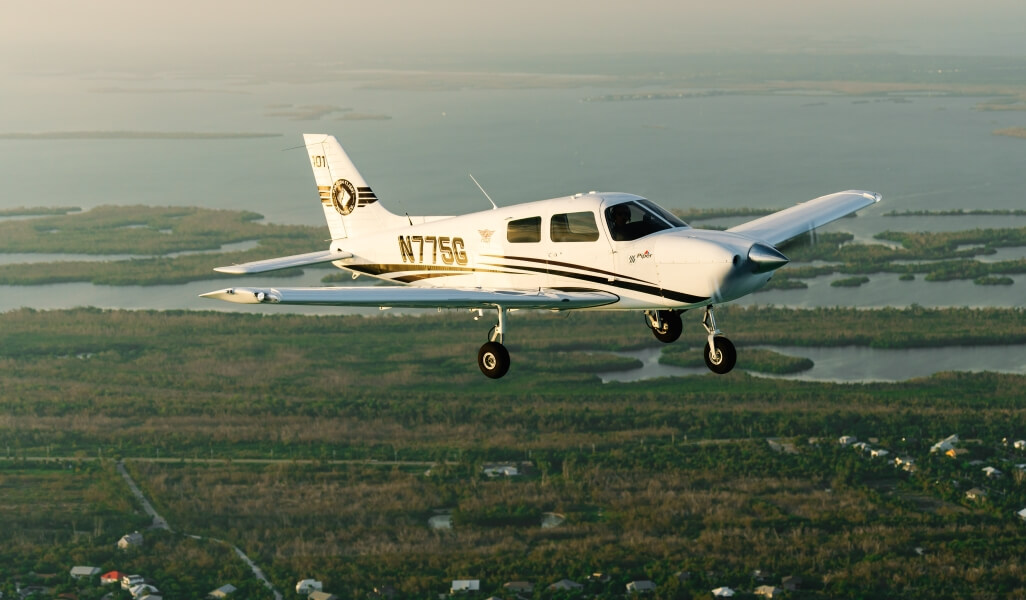
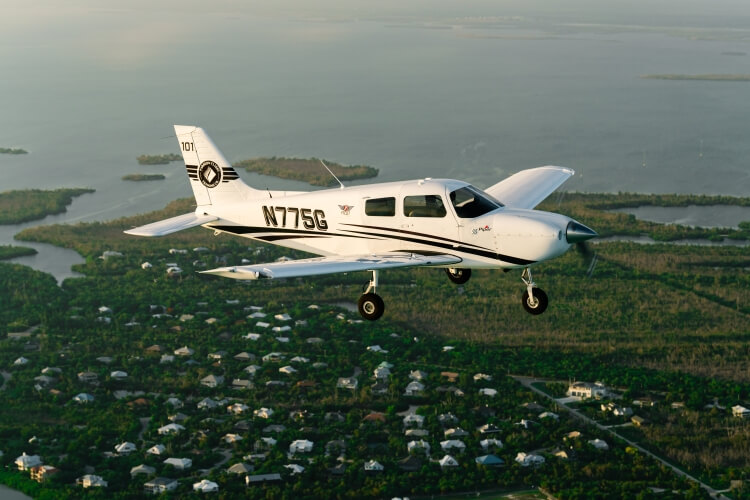
We chose the Piper Pilot 100i because it was designed specifically for the demands of modern flight training. It combines the proven PA-28 platform—an aircraft family with more than 60 years of history—with modern Garmin G3X avionics and a simplified, durable design built for high-utilization training.
Just as importantly, the Pilot 100i was engineered with training economics in mind. By eliminating unnecessary complexity while maintaining the capability, reliability and technology students need, Piper created an aircraft that is more economical to purchase, operate and maintain. Those efficiencies help Paragon control operating costs—and ultimately help us keep the cost of flight training lower for our students.
-
-
Proven PA-28 Platform
More than 60 years of proven aircraft design behind the airplane you learn to fly.
-
Modern From Day One
Garmin G3X Touch avionics, digital autopilot and modern safety technology prepare students in a technically advanced cockpit.
-
Lower Cost to Train
A simpler, durable aircraft designed around lower operating and maintenance costs helps us deliver modern training without passing unnecessary aircraft costs on to students.
Piper PA-44-180 Seminole
A Twin Designed to Teach
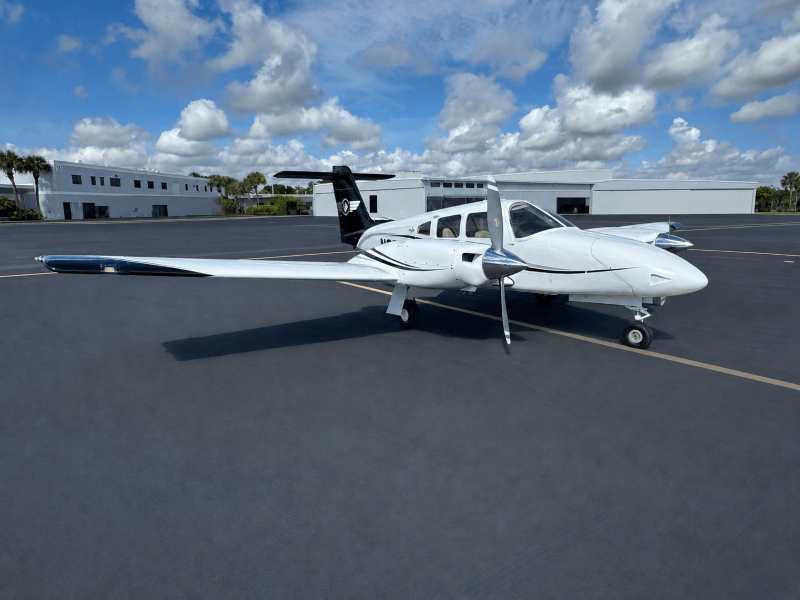
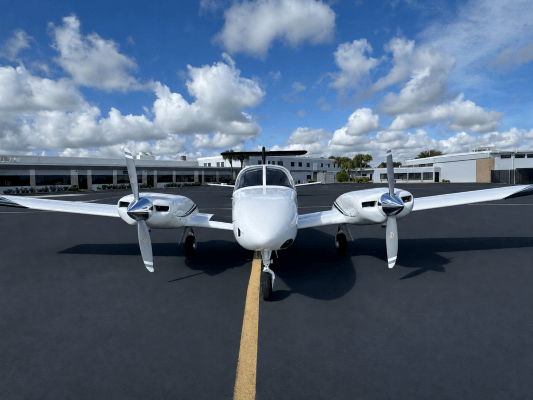
The Piper Seminole has been training multi-engine pilots for nearly 50 years. Unlike aircraft originally designed primarily for transportation and later adapted to the training environment, the Seminole has become a purpose-built platform for teaching pilots how to safely manage a true twin-engine aircraft—including one-engine-inoperative operations—with stable, predictable handling that allows students to learn with confidence.
Paragon’s modern Seminoles pair that proven platform with Garmin G1000 NXi avionics and GFC 700 autopilots, giving students the benefit of modern technology without sacrificing the straightforward systems and traditional multi-engine controls that make the Seminole such an effective trainer.
There’s also a great Florida story here. Piper has built aircraft at its Vero Beach headquarters since the late 1950s, and the Seminole is still manufactured there today. That means we’re training in an American-built aircraft backed by a manufacturer, parts network and technical-support infrastructure located right here in Florida—not an orphaned or lightly supported training platform.
-
Nearly 50 Years of Multi-Engine Training
A proven training platform trusted by generations of professional pilots.
-
Real Engine-Out Training. Predictable Handling.
Learn the challenges of one-engine operation in an aircraft specifically known for stable, gentle handling.
-
Modern G1000 NXi Flight Deck
Modern avionics and automation prepare students for increasingly sophisticated aircraft.
-
Built & Supported in Florida
Manufactured at Piper’s Vero Beach headquarters with an established U.S. parts and technical-support network.
Alsim AL100 Piper P100 Flight Simulator
Learn it here. Apply it in the air.
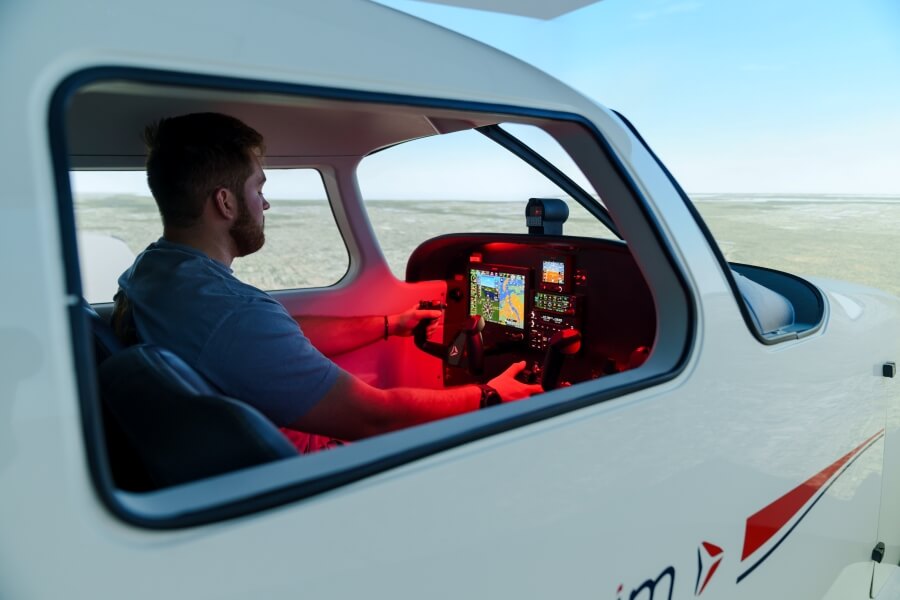
The airplane is an incredible training tool, but it can be a difficult classroom. It’s noisy, constantly moving and filled with distractions. You’re monitoring traffic, listening to air traffic control, watching for birds and managing the aircraft, all while trying to process something your instructor may be teaching you for the first time.
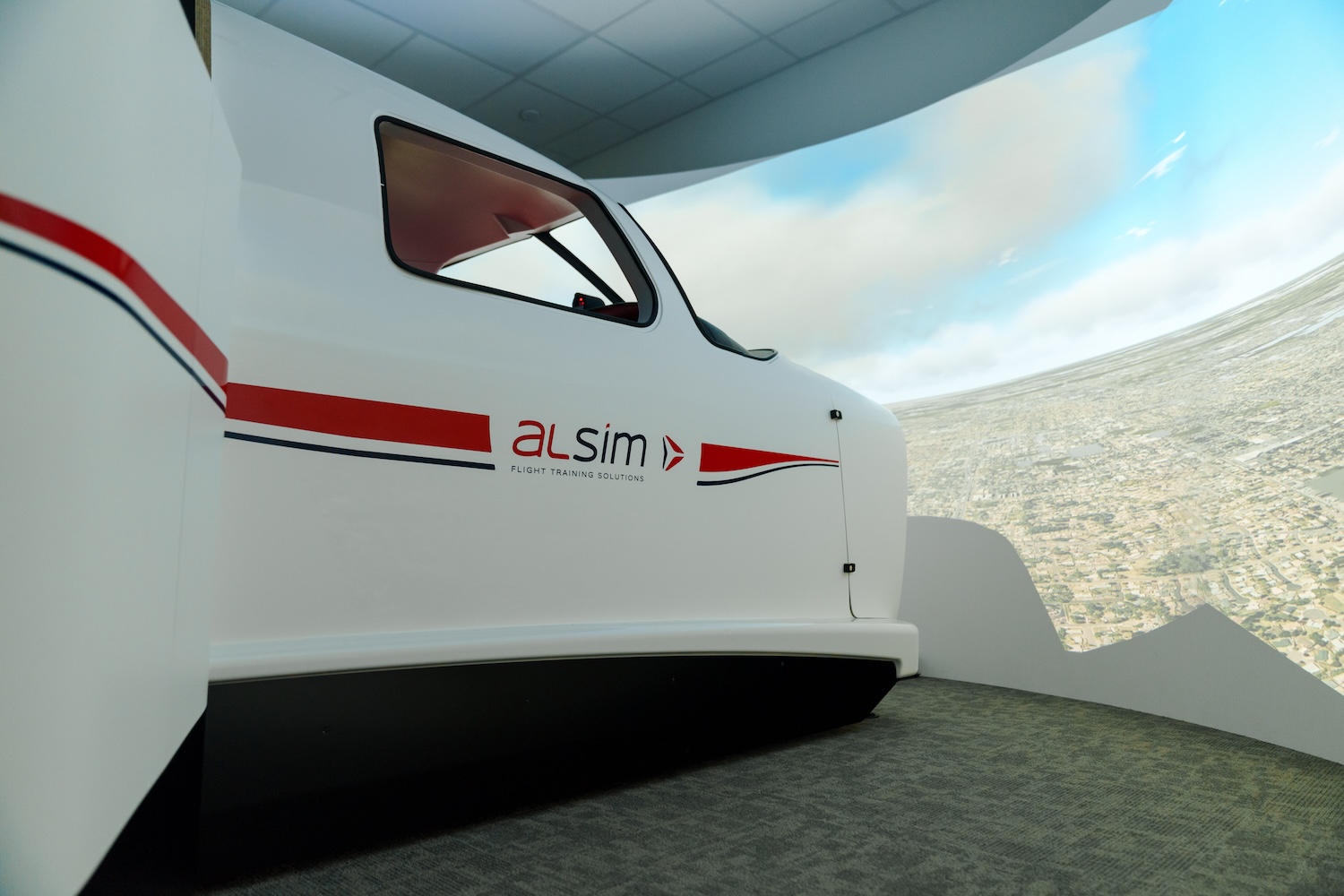
That’s why the ALSIM AL100 is an important part of Paragon’s training system. Designed to closely replicate our Piper Pilot 100i training aircraft, its cockpit, controls and Garmin G3X avionics provide a button-for-button training environment that closely matches what students encounter in the airplane.
The simulator gives instructors something the airplane cannot: control over the learning environment. We can introduce a procedure, pause the scenario, discuss what happened, reset it and practice it again. Students can repeat procedures and develop proficiency without the distractions, time pressure and expense of doing every repetition in the aircraft.
Once the student returns to the airplane, the objective isn’t to start over. The controls, avionics, procedures and flows are already familiar, allowing more of the flight lesson to be spent applying and refining skills in the real aircraft.
“The airplane is where you apply what you’ve learned—not where every lesson has to begin.”
– Chris Schoensee
-
Button-For-Button Fidelity
Train with the same cockpit layout, controls and Garmin G3X environment you’ll use in our Pilot 100i fleet.
-
A Better Classroom
Pause. Discuss. Reset. Repeat. Learn complex procedures in a controlled environment before adding the workload and distractions of the aircraft.
-
Build Proficiency Before You Fly
Use repetition to develop procedures, flows and decision-making on the ground, then reinforce those skills in the airplane.
-
Make Aircraft Time Count
High-fidelity simulator training can reduce the amount of expensive aircraft time spent introducing and repeating skills, helping students progress more efficiently.
FRASCA Piper PA44 Flight Simulator
Learn it here. Apply it in the air.
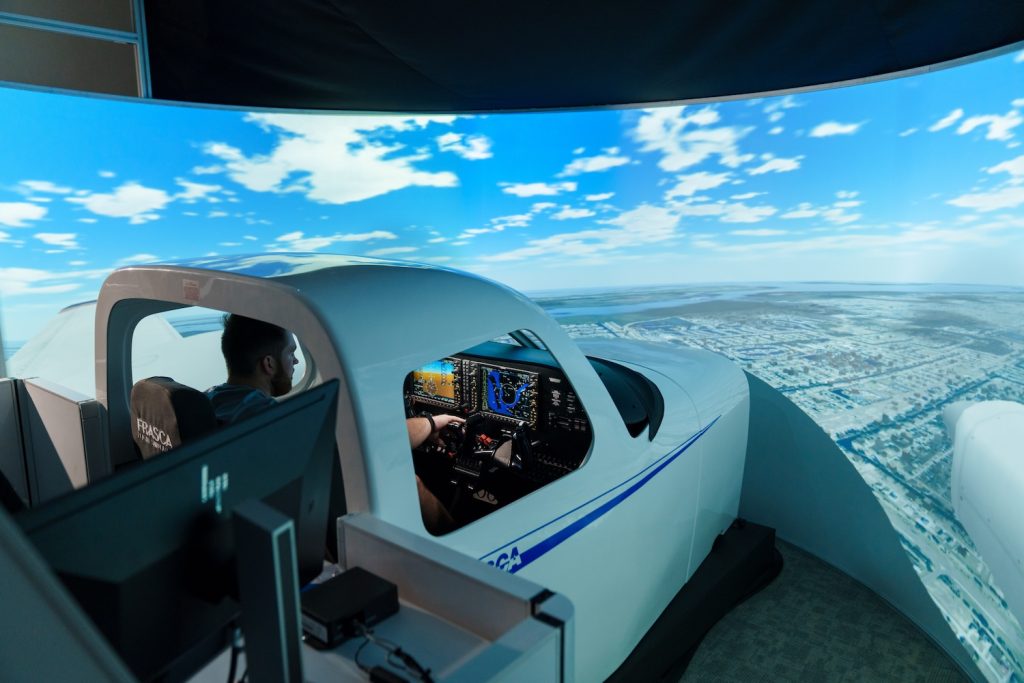
Multi-engine training is expensive, and every minute with two engines running should count. That’s why Paragon begins the first phase of multi-engine training in our high-fidelity PA-44 simulator before transitioning students into the aircraft.
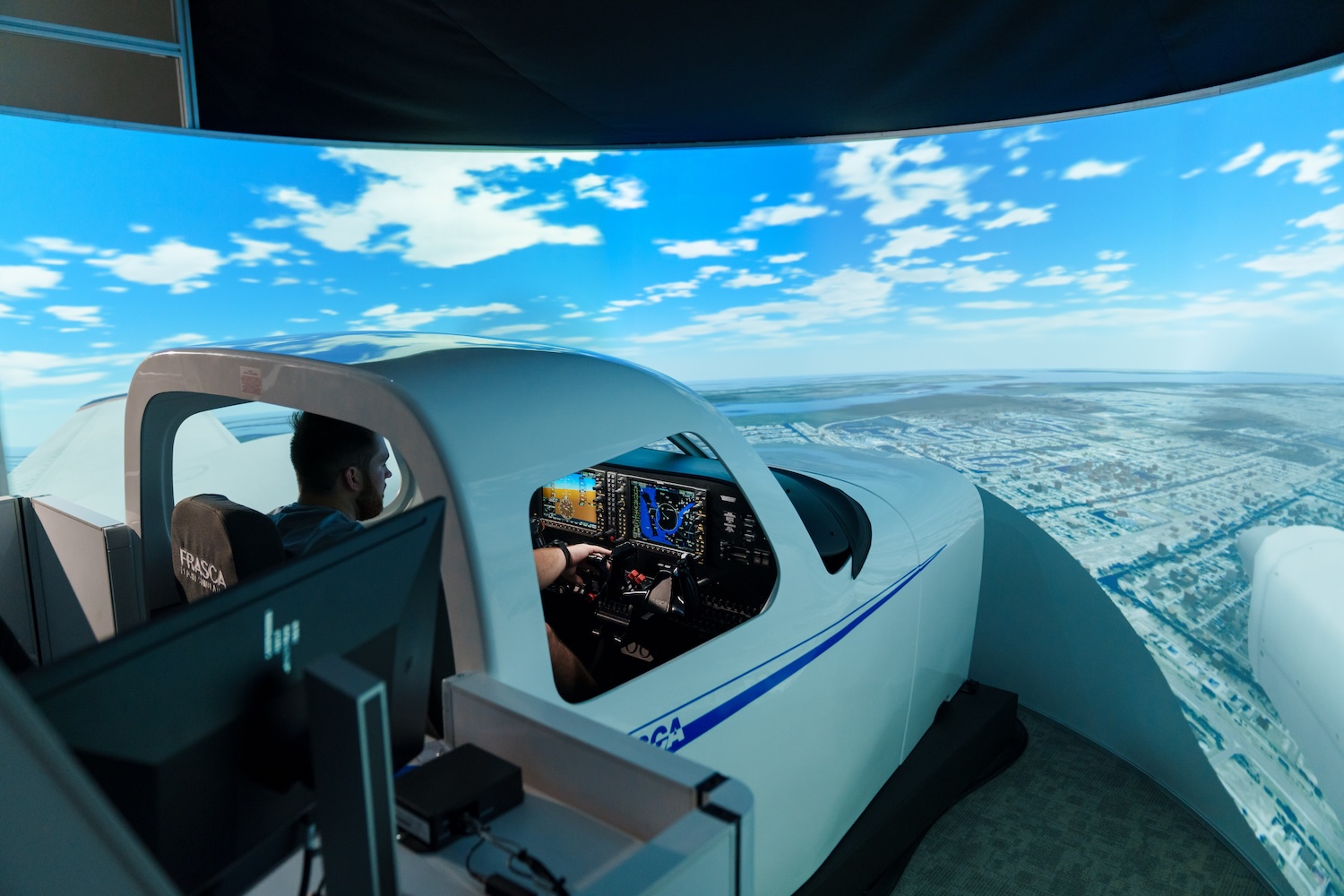
The simulator is a button-for-button replica of our Piper Seminole training fleet, with the same cockpit layout, avionics, system flows, checklists and procedures. Students can learn the aircraft, develop flows, practice normal and emergency procedures, and build proficiency in a controlled environment where instructors can pause, explain, reset and repeat.
This simulator-first approach follows the same fundamental training philosophy used throughout professional aviation: learn the systems and procedures on the ground, develop proficiency in the simulator, then apply those skills in the aircraft.
By integrating simulator training throughout the program, Paragon has reduced the amount of training required in the actual Seminole by approximately 45%—saving students thousands of dollars in aircraft costs while providing more total training, repetition and proficiency development.
-
~45% Less Aircraft Time
Our simulator-integrated program reduces the amount of training required in the Seminole, saving students thousands in aircraft costs.
-
Button-For-Button Replica
The same cockpit layout, avionics, controls, system flows and checklists used in our Seminole training fleet.
-
Practice. Reset. Repeat.
Practice engine failures, abnormalities and emergency procedures repeatedly in a controlled environment before applying them in the aircraft.
-
More Training. Better Value.
Less time in the aircraft doesn’t mean less training. Students gain more opportunities for repetition and proficiency development while making every multi-engine flight hour count.