
What’s the Best Flight School for Becoming a Commercial Pilot?

Choosing the best flight school to become a commercial pilot goes far beyond picking the closest airport or the lowest advertised hourly rate. The right school should support long-term progression, minimize delays, and prepare you for professional flying environments, whether that means instructing, working in charter operations, or flying for airlines.
At Paragon Flight, our commercial pilot training is designed around these priorities, offering programs that align with the demands of professional aviation.
The Foundations of Effective Commercial Pilot Training
Strong commercial pilot training programs are built around efficiency, consistency, and readiness for professional flying:
- FAA-approved structured programs allow for a standardized syllabus, defined milestones, and potentially reduced minimum flight hours.
- Schools in weather-friendly regions allow students to train regularly and avoid long gaps that slow progress.
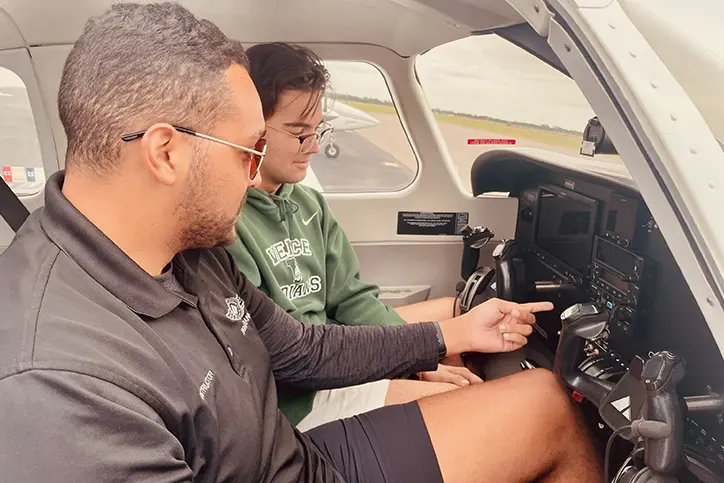
- Training on modern, glass-cockpit aircraft and high-quality simulators helps students transition smoothly into real-world commercial operations.
- Experienced instructors provide mentorship and focus on decision-making, professionalism, and judgment, not just passing checkrides.
- Support for instructor training, hour building, and early career planning matters once certificates are earned.
- Transparent timelines and costs ensure students know what training will require in terms of time and budget before committing.
How Paragon Flight Measures Up
Paragon Flight Training offers professional and commercial pilot training designed to support steady progression from early certificates through advanced ratings.
FAA-Approved Training Options
Operating under both F.A.R. Parts 141 and 61, students can choose between a structured, accelerated track and a more flexible pace.
Part 141 programs follow an FAA-approved syllabus with defined stage checks and reduced minimum hour requirements, which can help full-time students progress more efficiently. Part 61 training offers greater scheduling flexibility, making it a practical option for students balancing work, school, or other commitments.
Having both options under one organization allows Paragon students to adjust their training approach as goals or availability change.
Aircraft Fleet and Training Tools
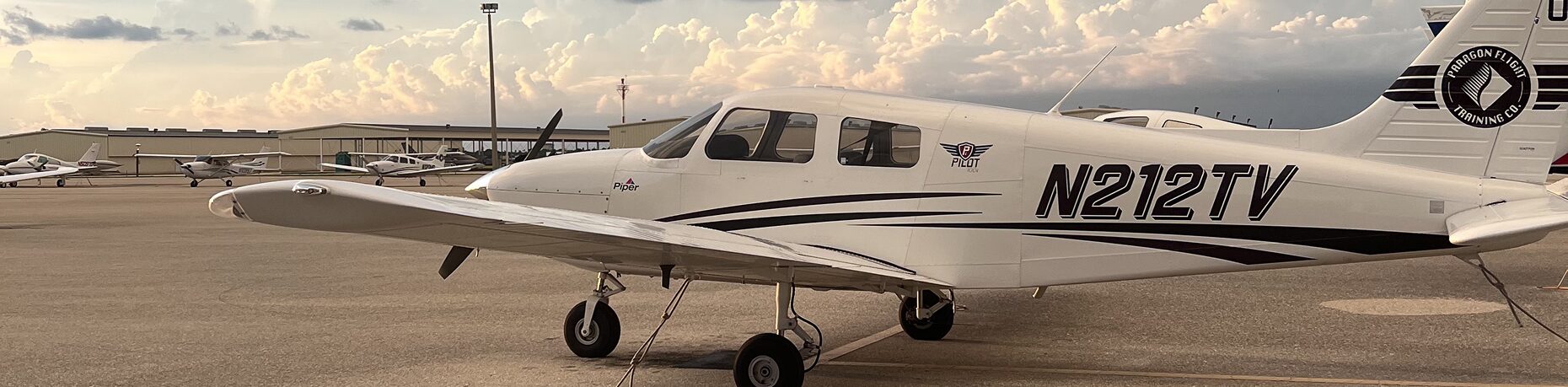
Paragon’s all-Piper fleet of Technically Advanced Aircraft (TAA) is equipped with glass-cockpit avionics, such as the Garmin G1000. Training on a standardized fleet helps students build strong systems knowledge, reduce transition time between aircraft, and develop habits aligned with professional aviation environments.
FAA-approved flight simulators are integrated throughout training to reinforce instrument procedures, emergency scenarios, and cockpit flows. Simulator sessions allow students to practice complex situations efficiently and safely, improving proficiency while keeping training time and costs under control.
Clear Progression Through Training
Rather than treating each certificate as a standalone course, Paragon structures training to support steady advancement from private pilot through instrument and commercial ratings. Single-engine and multi-engine training are integrated into a broader progression, with the option to continue into preparation for the Certified Flight Instructor rating. Accelerated pathways are available for students who want to train full-time and maintain momentum without unnecessary gaps between ratings.
Consistent Environment and Support
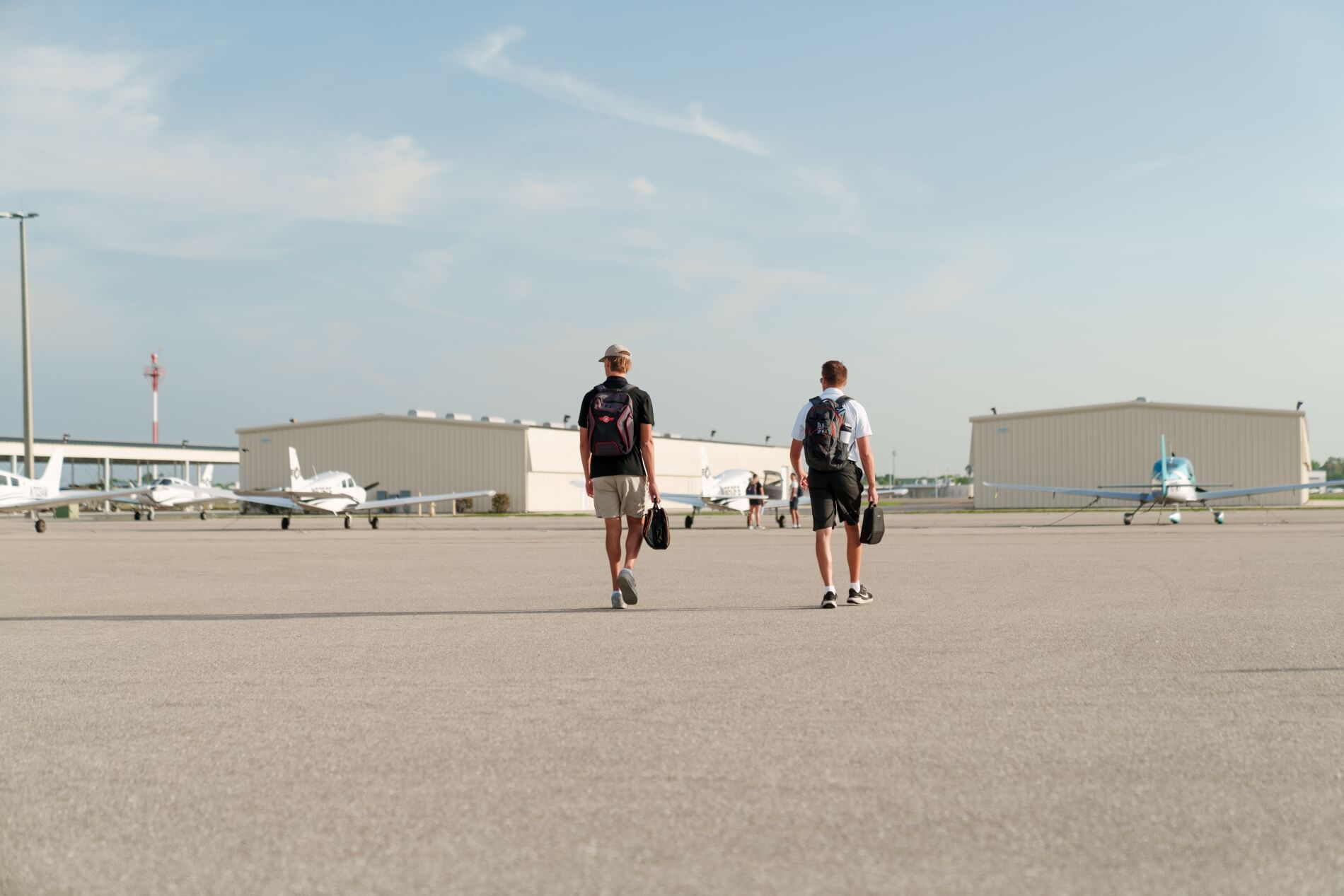
Our Florida and Georgia campuses average more than 300 flyable days per year, minimizing weather-related cancellations and helping students fly more often. Consistency is especially important at the commercial level, where skill retention and proficiency depend on regular repetition. Instructors focus on professionalism, aeronautical decision-making, and operational awareness, providing guidance that extends beyond checkride preparation and into real-world flying scenarios.
Strong Reputation and Career Preparation
Paragon has earned multiple AOPA Distinguished Flight School Awards based on student experience surveys, reflecting a track record of consistent instruction and satisfaction. Many graduates transition into flight instruction or other early professional roles, supported by mentorship, structured training, and a clear understanding of industry expectations.
Your Commercial Flying Career Starts Here
Choosing the best flight school for commercial pilot training means finding a program that supports steady progress, minimizes delays, and prepares you for real-world flying. With structured FAA-approved programs, modern aircraft and simulators, consistent flying conditions, and experienced instruction, Paragon Flight Training brings together the elements that matter most for pilots ready to take the next step into professional aviation.
If you’re ready to become a commercial pilot, contact Paragon today.
Popular Posts