
Flight School Recommendations in Fort Lauderdale, FL

When reviewing flight school recommendations, Fort Lauderdale, FL, offers access to busy airspace and strong aviation activity, but training in that environment is not always the most efficient path. At Paragon Flight Training, we focus on what drives real progress: consistent flight time, a structured training environment, and a clear path toward a professional aviation career.
Why Location Matters
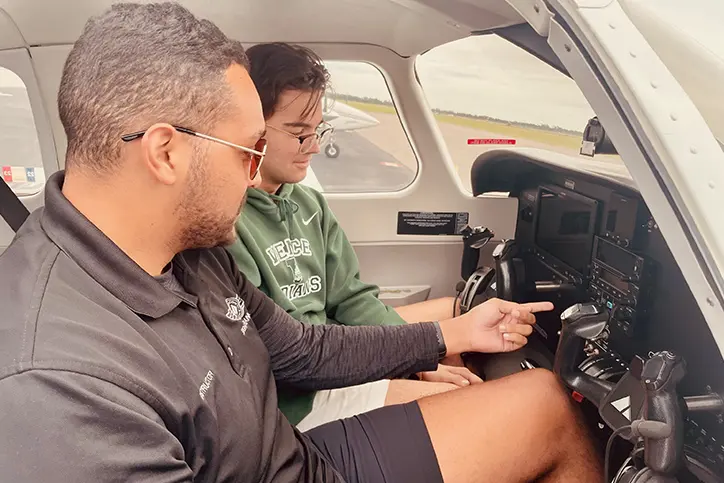
Training in high-traffic areas like Fort Lauderdale offers exposure to complex airspace, but often at the cost of delays and limited flight time. For many students, consistent, productive flying matters more than proximity.
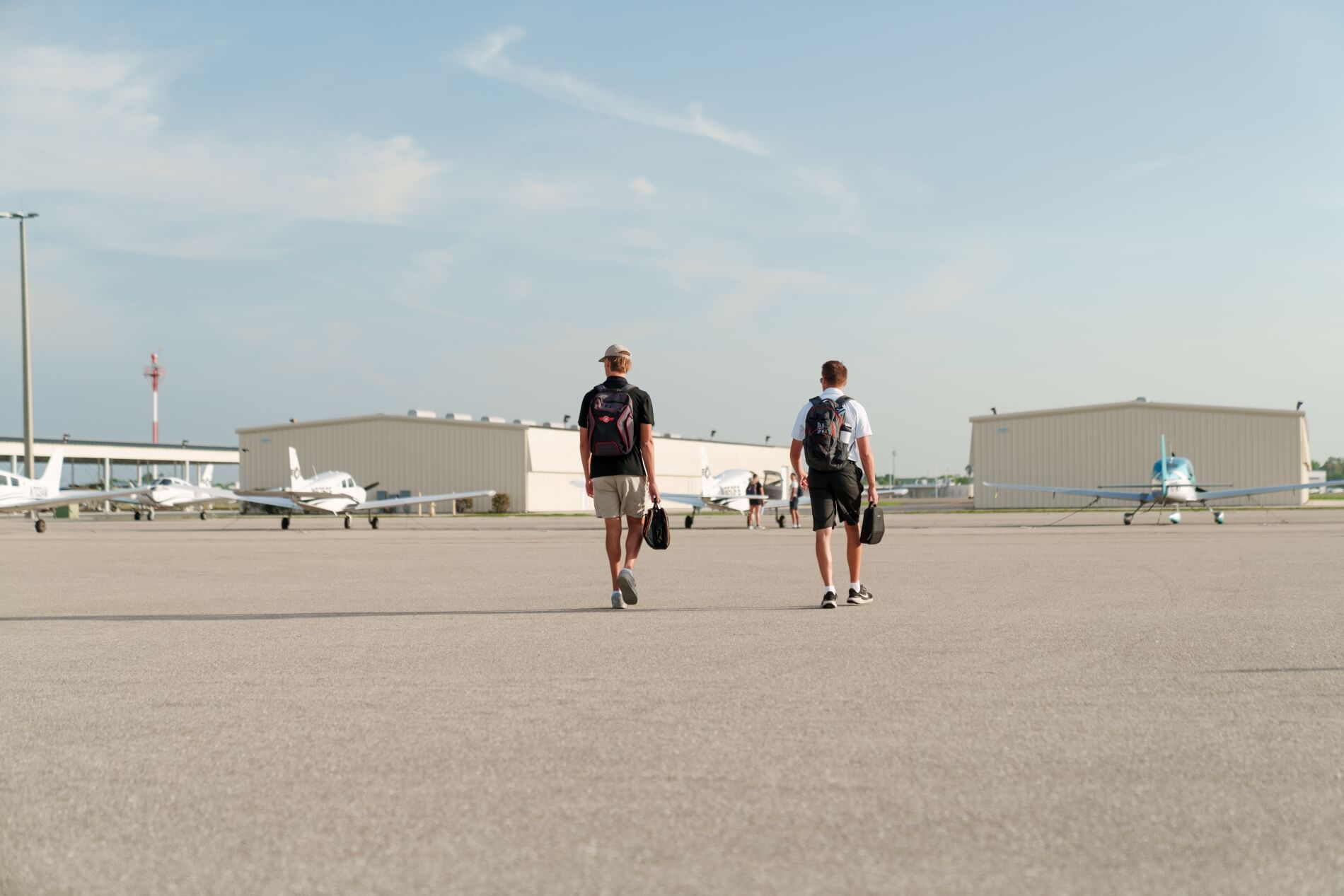
Paragon Flight’s campuses in Fort Myers and Punta Gorda provide a more efficient alternative within a few hours of South Florida. With less congestion, reliable scheduling, and over 330 VFR days annually, students can fly more frequently, build skills continuously, and progress more efficiently.
Two Florida Campuses, One Consistent Training Approach
Paragon Flight operates at Fort Myers Page Field Airport (FMY) and Punta Gorda Air Center (PGD), giving students the flexibility to choose a location that fits their schedule and preferences.
While each campus has its own environment, both are designed around the same priorities:
- Consistent flight availability
- Efficient scheduling
- Structured, career-focused training
Instead of navigating congestion, students train in environments that allow them to fly regularly and build skills without interruption.
Training That Fits You
Not every student follows the same path into aviation. Paragon Flight supports this by offering both FAA Part 141 and Part 61 training options.
- Part 141 is structured and stage-based, ideal for students pursuing aviation as a full-time career
- Part 61 allows for flexibility in pace and scheduling
Both options lead to the same commercial pilot certifications, and focus on:
- Advanced aircraft control and precision
- Complex cross-country flying
- Decision-making and situational awareness
- Professional communication skills
This flexible approach ensures students can train in a way that fits their schedule and build the skills required for successful aviation.
Advanced Aircraft & Equipment
Training quality is directly influenced by the aircraft and technology used throughout the program. At Paragon Flight, students train with modern, standardized equipment that supports skill development from foundational flying through advanced commercial operations.
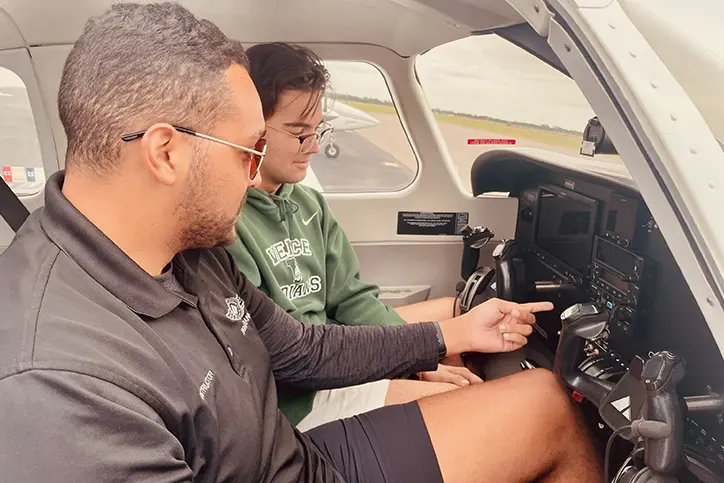
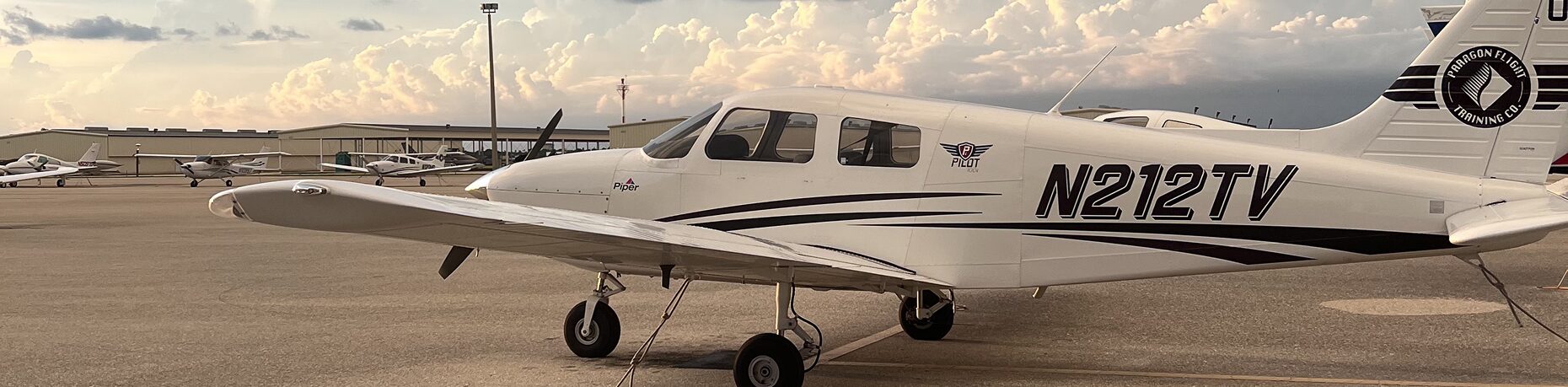
The Piper PA-28 Pilot 100 is Paragon’s primary training aircraft, used from first flight through commercial single-engine certification. Equipped with Garmin G3X avionics, it builds TAA experience while its stable handling and simplified systems support efficient, cost-effective skill development.
For advanced and commercial training, Paragon utilizes the twin-engine Piper PA-44 Seminole. With stable handling and Garmin avionics, it helps students develop multi-engine procedures, systems management, and real-world operational skills.
Training also incorporates the ALSIM AL100 Flight Simulator, an FAA-approved simulator that mirrors Paragon’s Piper aircraft. This allows students to refine skills, practice procedures, and log hours in a controlled setting while improving efficiency and reducing overall training costs.
From Training to Career Progression
For students serious about aviation careers, the next step after commercial certification matters just as much as the training itself. Paragon provides a clear path forward through:
- Multi-engine training
- Instructor certifications (CFI, CFII, MEI)
- Opportunities to build flight hours
For those looking to accelerate their timeline, Paragon’s Professional Pilot Program (P3) offers a full-time path from beginner to commercial pilot with instructor ratings in under 10 months.
Start With the Right Foundation
If you’re exploring flight school recommendations in Fort Lauderdale, consider where you can train most effectively, not just what is closest. Paragon Flight’s campuses in Fort Myers and Punta Gorda, FL, offer a more efficient path to building skills and progressing toward a professional aviation career.
For more information or to schedule a campus tour, contact Paragon Flight today.
Popular Posts