
Steps to Becoming a Commercial Airline Pilot
Becoming an airline pilot isn’t something that happens all at once. It’s a step-by-step process where each stage builds on the last. The path itself is pretty clear, but how quickly and smoothly you move through it often comes down to how you train. At Paragon Flight, the focus is on keeping that progression steady, so you’re always moving forward.
Here’s what the journey typically looks like.
Start with the Basics
Before you begin, there are a few requirements. You need to be at least 17 to start training, 18 to earn a commercial license, and be able to pass an FAA medical exam.
Private Pilot License (PPL)
This is where it all starts. You’ll learn how to control the aircraft, navigate, and communicate with air traffic control. It also includes your first solo flights, which is a big milestone for most students.
Instrument Rating (IR)
Once you’re comfortable flying in clear conditions, the next step is learning to fly using instruments. This allows you to operate in low visibility and is essential for professional flying.
Commercial Pilot License (CPL)
At this stage, you transition from learning to fly to flying at a professional level. Training becomes more precise, focusing on aircraft performance and advanced maneuvers. By this point, most pilots have between 190 and 250 flight hours and can be paid to fly.
Multi-Engine Rating
Most commercial aircraft have more than one engine, so this step is important. You’ll learn how to handle more complex aircraft and manage situations like an engine failure.
Build Flight Hours
Even after earning your commercial license, you still need more experience before reaching the airlines. In the U.S., that usually means building around 1,500 total flight hours. Many pilots do this by becoming certified flight instructors, gaining experience while getting paid.
Airline Transport Pilot (ATP) License
The ATP is the final certification required to fly for an airline. It involves advanced training and meeting the required flight hours.
Start Your Airline Career
Once you have your ATP, you can start applying to airlines. Most pilots begin with regional carriers and move on to larger airlines as they gain experience.
How Long Does It Take?
The timeline to become an airline pilot varies depending on how you train. In an accelerated, full-time program, many students complete their training in about 18 to 24 months. More flexible or part-time paths can take 2 to 4 years. The biggest factor is consistency. Flying regularly helps you progress more efficiently and reduces the need for repeat instruction.
Training Paths at Paragon Flight
At Paragon Flight, we offer multiple training paths depending on where you’re starting and how you want to train. The P3 Professional Pilot Program is a full-time, accelerated option that takes you from private pilot through commercial and instructor certifications in approximately 9 months, following a continuous Part 141 progression.
For students who need more flexibility, training can be customized around your schedule and current experience. These Part 61 programs are designed to keep you progressing efficiently while avoiding unnecessary delays or extra flight hours.
A Consistent, Supportive Training Environment
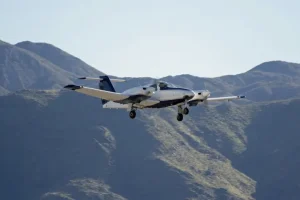
Training at Paragon is built around consistency and a professional environment. Students train in our standardized all-Piper fleet with modern avionics, helping reduce transitions between aircraft and keep the focus on skill development. FAA-approved simulators are also used to reinforce instrument procedures and scenario-based training.
We also emphasize instructor support and individualized guidance. Training plans are tailored to your goals and experience level, helping you stay on track from your first lesson through commercial certification and beyond.
Ready to Take Off?
Becoming an airline pilot takes time, but each step moves you closer to that goal. With the right training environment and a consistent schedule, the process becomes much more manageable.
If you’re ready to take the next step,reach out to Paragon Flight and start building your path into commercial aviation.